Converting a traditional liquid chlorine swimming pool into an automated saltwater chlorination system is one of the most popular retrofits among modern homeowners. Saltwater pools provide softer, smoother water that eliminates harsh chemical odors, prevents red-eye irritation, reduces skin dryness, and significantly decreases weekly trips to the pool supply store.
In 2026, the total cost to convert a pool to saltwater ranges from $1,150 to $3,100, including the salt chlorine generator power center, electrolytic cell, plumbing bypass loop, electrical sub-panel GFCI wiring, and initial salt dosing.
1. Comprehensive Breakdown of Saltwater Conversion Costs
| Component / Service Item | Average Price Range | Key Technical Specifications |
|---|---|---|
| Salt Chlorine Generator System (Power Center + Cell) | $750 – $1,850 | Sized for 20k to 40k gallon capacity. Brands: Hayward AquaRite, Pentair IntelliChlor, Jandy AquaPure. |
| Plumbing Bypass Loop & Labor | $250 – $600 | PVC plumbing loop using Schedule 40 PVC pipe, solvent weld, and union valves. |
| Electrical GFCI Wiring & Sub-Panel | $175 – $450 | Dedicated 120V/240V GFCI breaker installed per National Electrical Code (NEC) Article 680. |
| Initial Pool Grade Salt & Stabilizer | $80 – $220 | 500 to 1,200 lbs of 99.8% pure evaporated sodium chloride salt. |
| Sacrificial Zinc Anode (Corrosion Protection) | $45 – $90 | In-line zinc anode protecting metallic pump impellers against galvanic oxidation. |
| Total Installed Conversion Cost | $1,300 – $3,210 | Complete turnkey system installation. |
2. Chemical Electrolysis: How Salt Chlorination Operates
A common misconception among first-time pool buyers is that saltwater pools contain ocean-grade brine. In reality, salt concentration in a saltwater pool is low—approximately 3,000 to 3,500 parts per million (ppm), which is comparable to human tears and virtually imperceptible to taste.
The system operates through electrolytic chlorination. The system power center feeds low-voltage direct current into an electrolytic salt cell housing titanium plates coated with precious ruthenium oxide. As pool water circulates through the cell, electrolysis splits sodium chloride ($NaCl$) and water ($H_2O$) into pure hypochlorous acid ($HOCl$), the active sanitizing agent. After destroying algae and bacteria in the pool, hypochlorous acid reverts back into sodium chloride salt, creating a continuous recycling chlorination loop.
3. Plumbing & Electrical Installation Requirements
Proper mechanical installation is essential to prevent premature equipment failure and maintain electrical code compliance:
Plumbing Installation Specifications
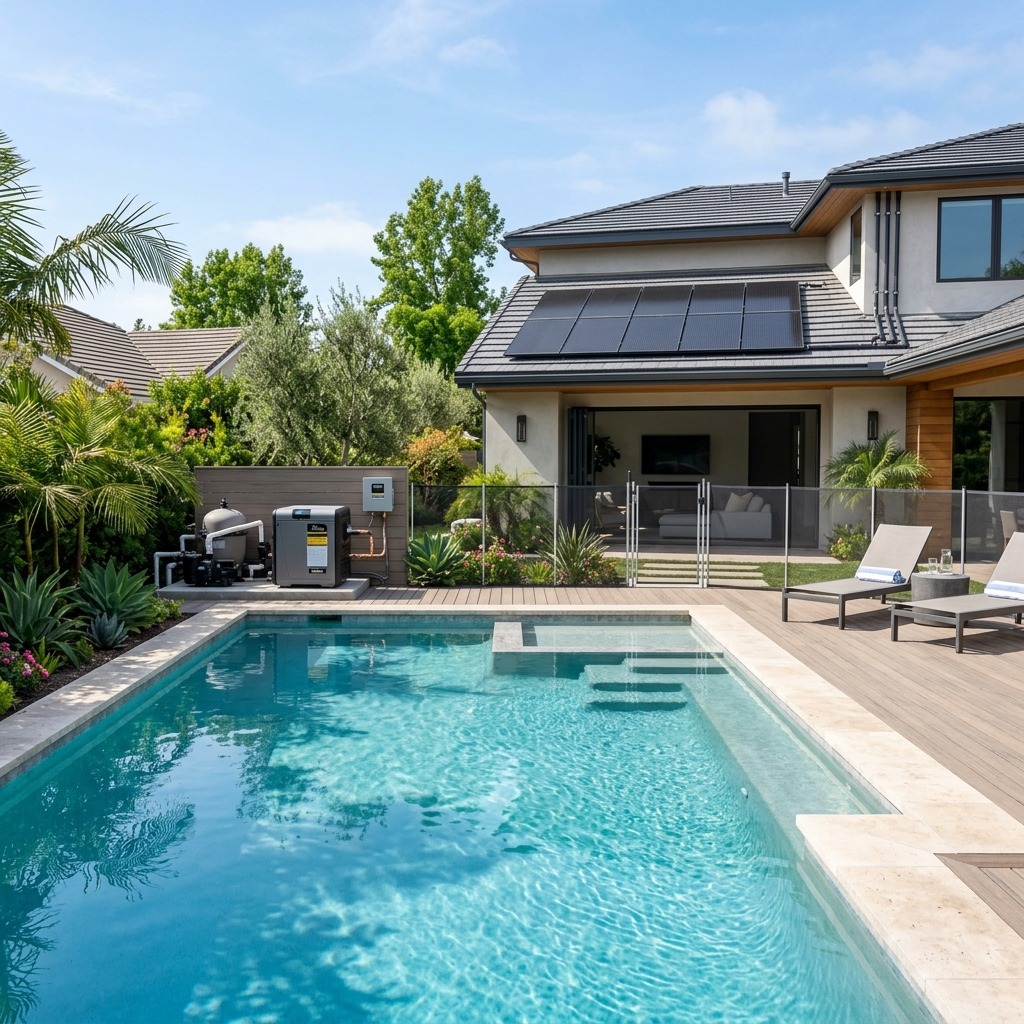
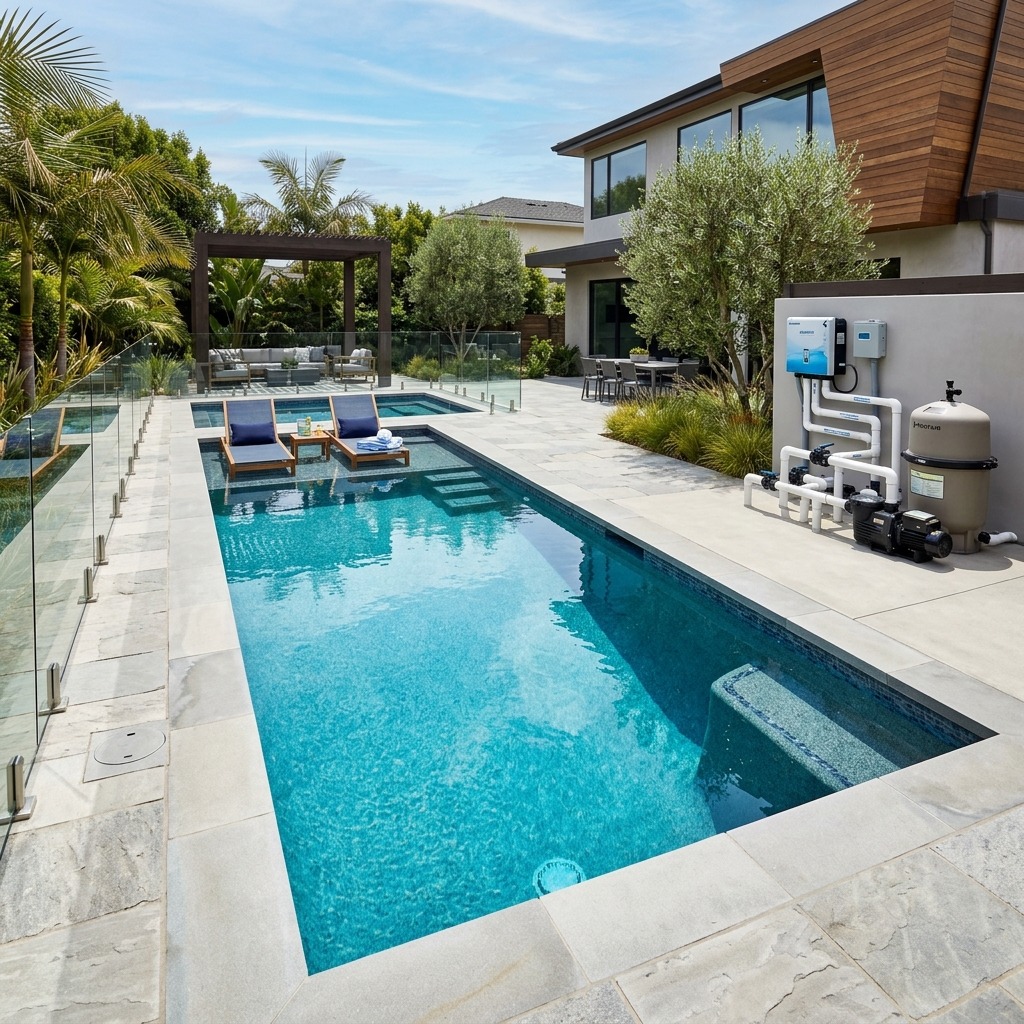
The salt cell is plumbed as the final component on the return line after the pump, filter, and heater. Plumbers cut return piping using a hacksaw or PVC cutter, installing a dedicated bypass loop with Schedule 40 PVC pipe and union connectors. Placing the cell downstream prevents concentrated chlorine gas from damaging heater manifolds.
Electrical Code & Bonding Requirements
The power control center must be electrically interlocked with the main circulation pump timer to prevent the cell from generating chlorine gas when water flow stops. Wiring must adhere strictly to NEC Article 680 bonding and grounding requirements, featuring an inline flow switch and a dedicated GFCI circuit breaker.
4. Operating Cost Comparison: Saltwater vs. Traditional Chlorine
While saltwater conversion requires an upfront investment, operational chemical savings provide long-term financial returns:
| Expense Item | Traditional Chlorine Pool | Saltwater Chlorination Pool |
|---|---|---|
| Monthly Chemical Supplies | $65 – $120 / month | $15 – $35 / month (Salt top-offs) |
| Annual Chemical Store Purchases | $780 – $1,440 / year | $180 – $420 / year |
| Cell Replacement Reserve | $0 (No cell) | $140 – $220 / year ($700–$1,100 every 5 yrs) |
| 5-Year Total Chemical & Equipment Expense | $3,900 – $7,200 | $1,600 – $3,200 |
Over a 5-year operating window, saltwater systems save $1,800 to $4,000 net in chemical store costs while delivering superior water quality. Compare overall upkeep in our Monthly Pool Maintenance Cost Guide.
5. Compatibility with Pool Shell & Decking Materials
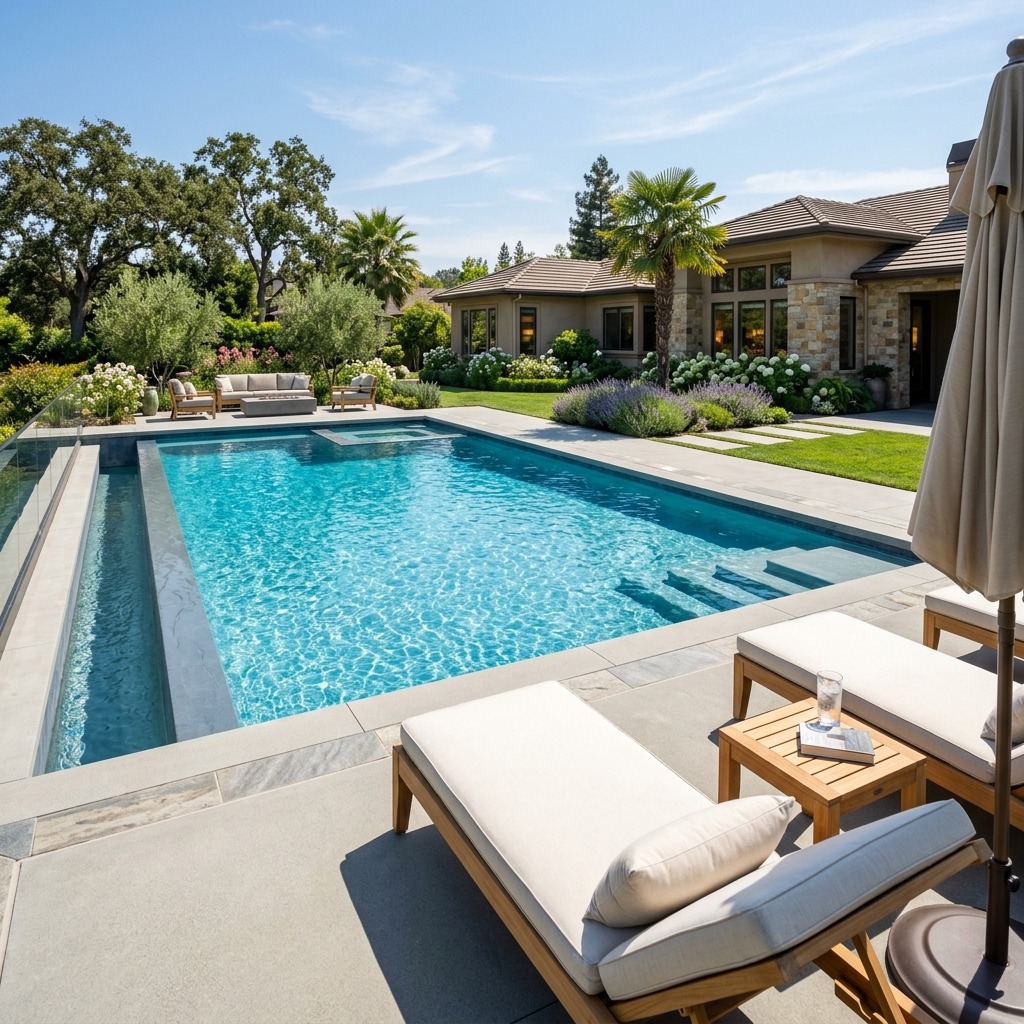
Saltwater systems are highly compatible with fiberglass shell pools, vinyl liner pools, and tile-finished concrete pools. However, if your pool features soft natural stone coping (such as flagstone, porous limestone, or unsealed slate), salt splash-out can cause surface spalling over time. Applying a penetrating sealer every 2 years protects stone coping against salt crystallization damage. Evaluate shell material pricing in our Fiberglass Pool Cost Calculator and Concrete Pool Cost Calculator.
Frequently Asked Questions (FAQ)
Does saltwater taste salty like ocean water?
No. Ocean water has a salinity of approximately 35,000 ppm. Saltwater pools operate at just 3,200 ppm—the same salinity level as human tears—making the water taste fresh and smooth.
How long do salt chlorinator cells last?
Electrolytic salt cells last 4 to 7 years (or approximately 10,000 operating hours) before titanium plate coatings degrade. Cleaning cells every 3 months with a diluted muriatic acid solution extends cell lifespan.
Can I convert an above ground pool to saltwater?
Yes. Above ground pools with resin-coated steel or aluminum frames convert easily using compact salt generators rated for 15,000 gallons.
Calculate Your Complete Conversion Budget
Ready to calculate exact equipment, salt bag quantities, and installer pricing for your pool volume? Use our free interactive Salt Water Pool Cost Estimator or explore construction budgeting with our Inground Pool Cost Calculator. Review our official Cost Estimation Disclaimer and Contact Support Desk before purchasing equipment.
6. Step-by-Step Salt System Installation Protocol
Installing a salt chlorination system requires a structured mechanical procedure to ensure seamless integration into existing pump, filter, and heating equipment:
- Step 1: Water Testing & Balance Adjustment: Before adding any salt, water chemistry must be tested. Adjust pH between 7.4 and 7.6, total alkalinity between 80 and 120 ppm, and calcium hardness between 200 and 400 ppm. Ensure cyanuric acid stabilizer is between 30 and 50 ppm.
- Step 2: Calculating Salt Dosage: Calculate pool volume in gallons. For a 20,000-gallon pool with zero initial salinity, approximately 500 to 550 lbs of high-purity pool salt (sodium chloride) is required to reach the target 3,200 ppm operating level.
- Step 3: Salt Application & Dissolution: Pour pool grade salt around the perimeter of the deep end. Use a pool wall brush with a telescopic pole to broadcast and dissolve salt crystals continuously. Run the circulation pump for 24 hours without turning on the salt cell to ensure total salt dissolution.
- Step 4: Plumbing Bypass Installation: Cut return PVC line after the heater using a hacksaw. Plumb a 2-inch Schedule 40 PVC pipe bypass loop featuring union disconnects and a flow switch. Apply PVC primer and medium gray PVC cement.
- Step 5: Control Center Wiring & GFCI Connection: Mount the electronic power center on an exterior wall adjacent to the pump timer. Wire dedicated 120V or 240V electrical connections through a GFCI breaker complying with NEC Article 680.
- Step 6: System Startup & Cell Calibration: Mount the salt cell into the plumbing unions. Connect the power cable and flow sensor wire to the controller. Turn on circulation, verify flow switch activation, and set chlorine output percentage between 40% and 60%.
7. Salt Cell Cleaning & Maintenance Best Practices
Maintaining salt generator cell plates ensures maximum chlorine output and prevents premature cell replacement:
- Inspecting Calcium Scale Deposits: Every 3 months, inspect the internal titanium plates for white calcium scale buildup. Calcium scaling restricts water flow and reduces electrolysis efficiency.
- Acid Washing Procedure: Mix a cleaning solution of 4 parts water to 1 part muriatic acid (or use a specialty cell cleaner). Cap one end of the cell and submerge plates in the diluted acid solution for 10 to 15 minutes until foaming stops. Rinse thoroughly with clean fresh water.
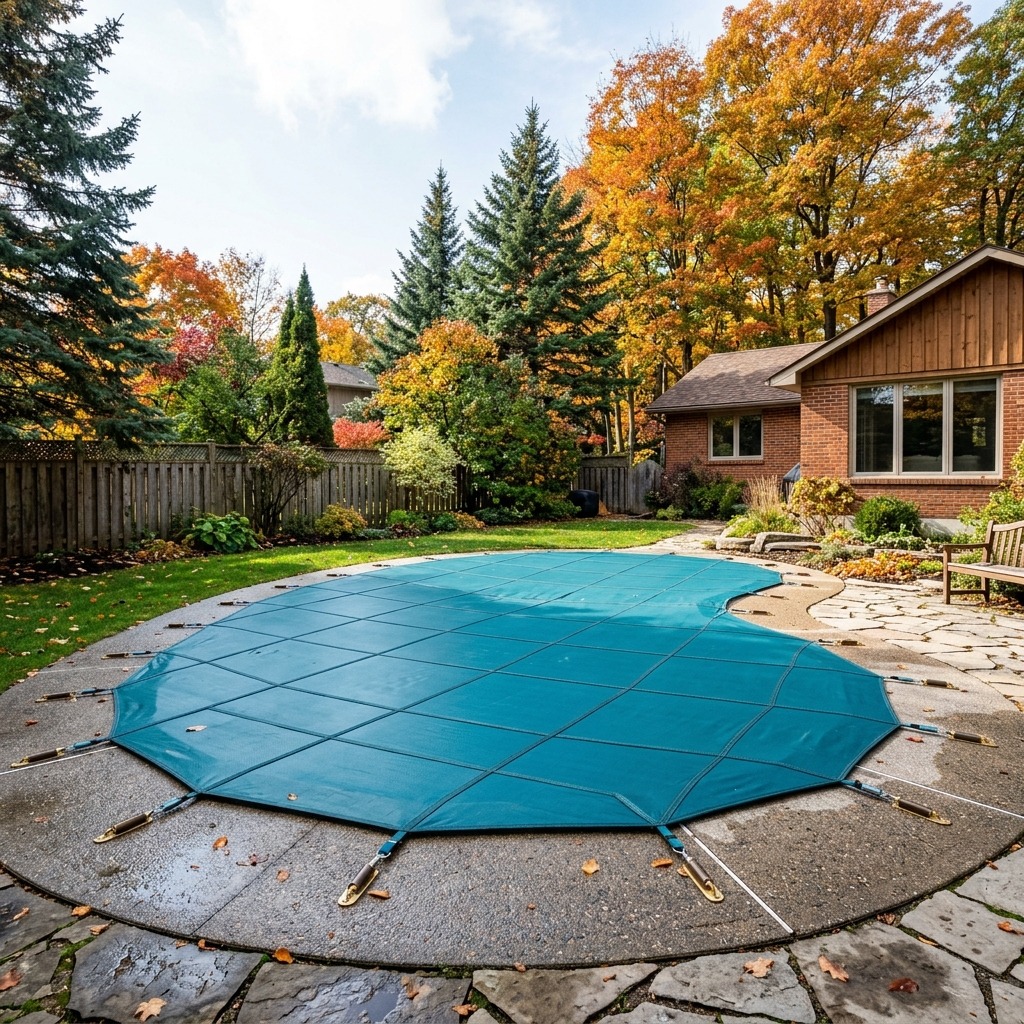
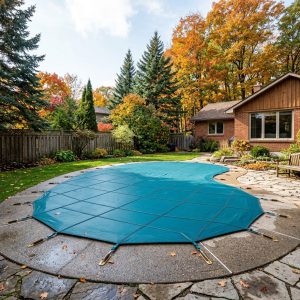
- Winterization Precautions: In climates where water temperatures drop below 50°F (10°C), turn off the salt generator to protect electronics, as cold water causes high voltage resistance. Remove the cell, drain water, and install a dummy cell pipe spool for winter.
8. Troubleshooting Common Salt Chlorinator Issues
If your salt system displays error lights, follow these diagnostic steps:
- Low Salt Light Indicator: Test water salinity independently using a digital salinity meter before adding salt. Low water temperature (below 60°F) or heavy calcium scale on plates can trigger false low salt warnings.
- No Flow Light Indicator: Check skimmer and pump strainer baskets for leaves. Clean the filter element if pump pressure is elevated. Inspect the directional arrow on the mechanical flow switch.
- High Salt Light Indicator: Salinity above 4,000 ppm causes high amperage draw. The only solution for high salt is partial draining and refilling with fresh municipal water.