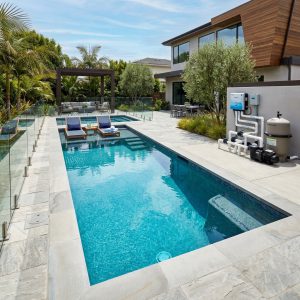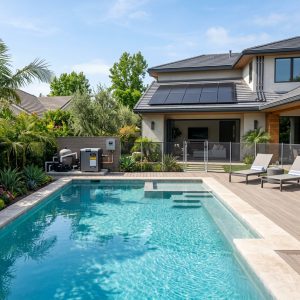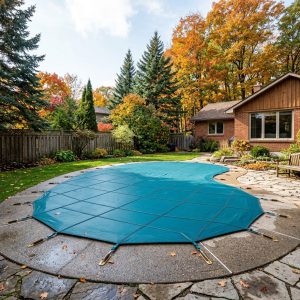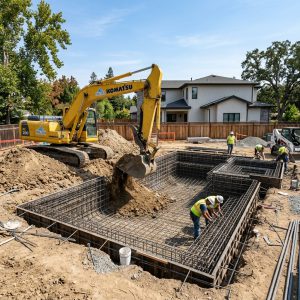
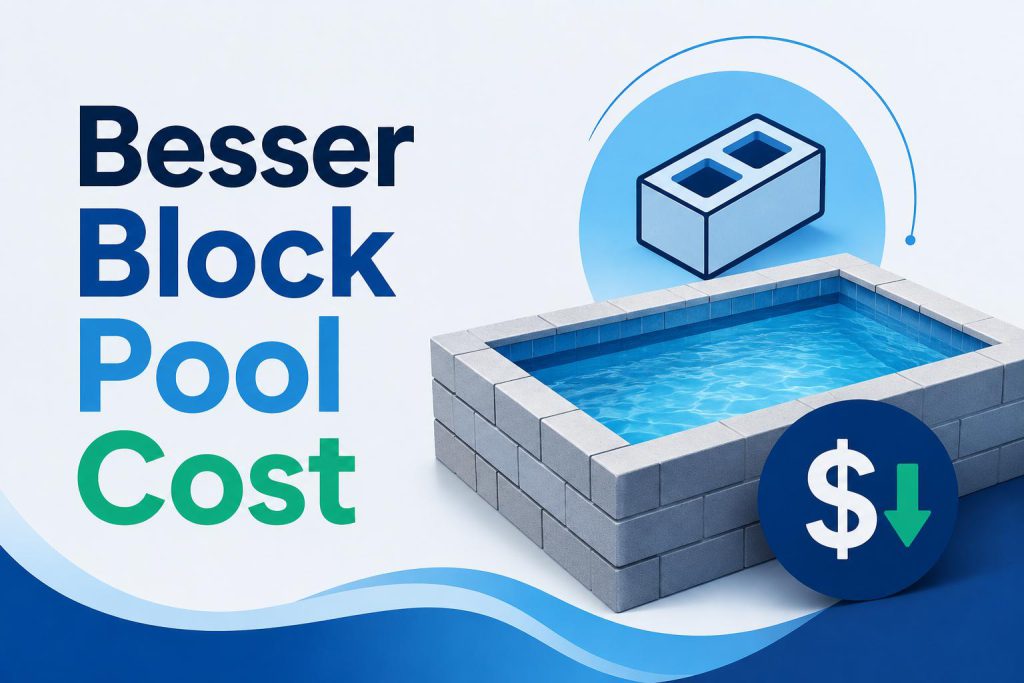
The total money you will spend on this type of pool usually falls between $50,000 and $60,000. If your yard has a steep slope or you want a very complex design, the total cost can easily reach over $100,000. This big price tag includes both buying the materials and paying skilled workers to build it.
A big part of the cost comes from the heavy materials used for the walls. Builders start by stacking hundreds of 200mm concrete masonry blocks to form the basic shape of the pool. These blocks are very heavy and must align perfectly. To make sure the walls are perfectly straight, the workers use a laser transit level during the layout. This exact measurement step ensures the final walls meet the strict Building Code of Australia (BCA) structural guidelines. Because meeting these exact rules takes a lot of time and special tools, the total cost goes up. You are paying for a safe and solid setup that will last for decades.
How Much Does Engineering and Council Approval Cost?
Paying for structural plans and local permits usually costs between $2,000 and $5,000. Before any digging starts, an expert must draw perfect plans for the pool. They have to calculate exactly how strong the walls need to be to hold back tons of water.
First, engineers need to test the dirt in your yard to see if it can support a heavy pool. They use a digital penetrometer to measure how hard or soft the soil is deep underground. Next, they design the foundation using thick N12 steel reinforcing starter bars to tie the walls into the ground. These strong steel bars prevent the pool from shifting or cracking over time. This careful planning proves to the city that the design follows the Australian Standard AS 2870 for residential slabs and footings. Getting these plans approved costs money, but it prevents terrible accidents later.
How Much Do Excavation and Site Preparation Cost?
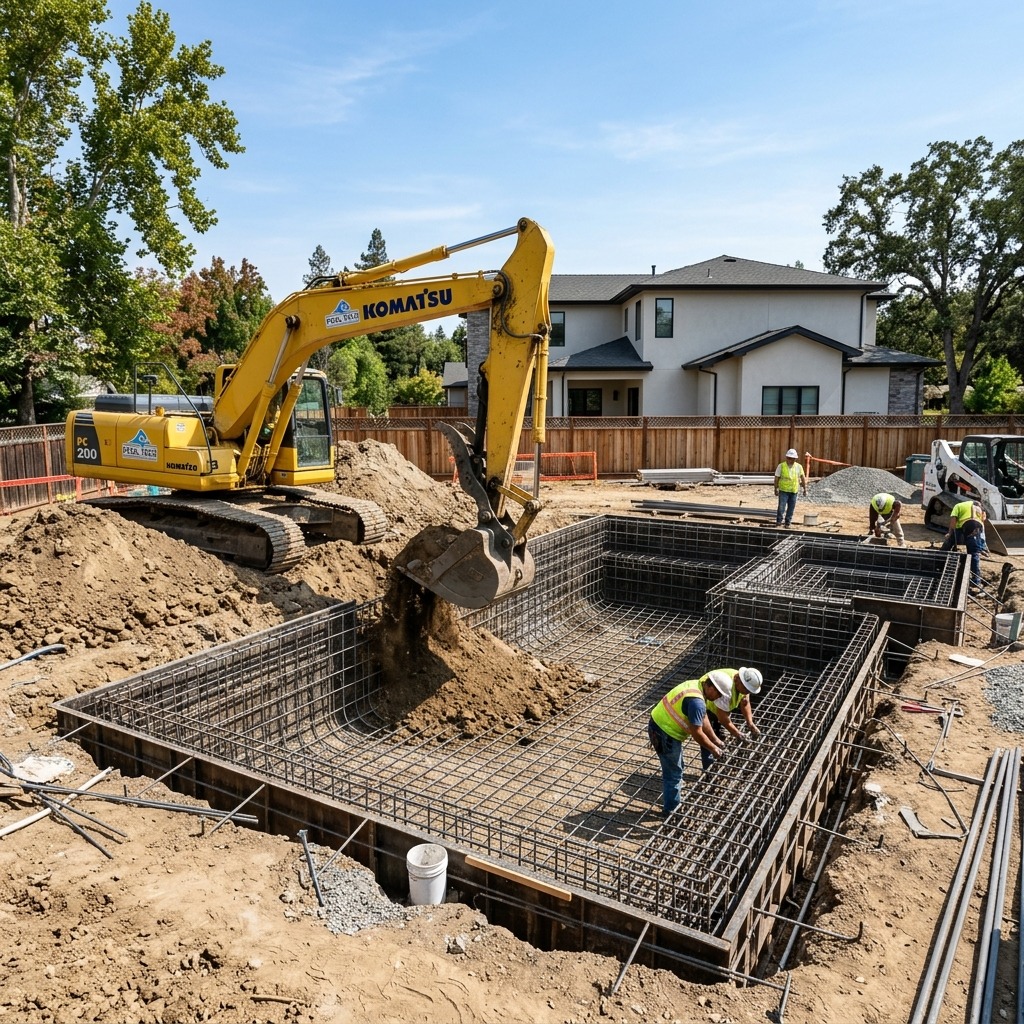
Basic digging usually costs around $3,000, but removing solid rock can push costs over $10,000. Digging the hole is the first physical step of the project. If machinery can drive straight into your yard, the digging is fast and cheap.
However, builders must be very careful about what hides under the dirt before they dig. They scan the ground with a ground penetrating radar scanner to find hidden pipes or cables. Hitting a water pipe would ruin the project and cost thousands of dollars to fix. Once the hole is ready, workers lay down a thick layer of crushed rock sub base to create a flat and stable floor. Furthermore, if they need to use loud rock breaking machines, they must strictly follow local council noise and heavy vehicle ordinances. Following these neighborhood rules often slows down the work and increases the labor bill.
Why Does Building on a Sloping Block Cost More?
Building a pool on a steep hill requires massive retaining walls, which adds $8,000 to $25,000 to your bill. A flat yard is easy to build on. A steep hill forces the pool walls to hold back heavy mud and dirt on one side and water on the other.
To handle this massive weight, the builders must fill the hollow blocks with high strength core fill grout. This liquid concrete hardens inside the blocks to create a solid rock wall. During construction, the workers check the angle of the steep slope using a digital inclinometer to ensure the dirt will not slide. This exact checking is required to satisfy the Australian Standard AS 4678 for earth retaining structures. Meeting this strict standard demands extra steel, thicker walls, and many more days of intense manual labor. Therefore, building on a hill is always the most expensive option.
How Much Do the Block Work and Concrete Core Filling Cost?
The labor and materials for building the walls and pouring the concrete represent the largest cost, often reaching $25,000 to $40,000. This is the hardest physical part of the whole project. Workers must carry and place every single heavy block by hand.
Once the hollow walls are standing tall, the builders drop a heavy net of heavy duty steel rebar mesh down into the open holes. This steel net gives the walls the power to bend slightly without breaking. Before pouring the liquid concrete into the walls, testers check the wet concrete mix using a concrete slump test cone. They check to make sure the concrete is not too watery or too dry. This simple test ensures the final concrete meets the Australian Standard AS 3600 for concrete structures. Because this entire process requires a large crew of strong workers for several weeks, the labor costs are very high.
What is the Cost of Waterproofing and Interior Finishes?
Basic pebble finishes cost a few thousand dollars, while fully tiling the pool can add $10,000 to $20,000 to the bill. A bare concrete block wall is full of tiny holes and will leak water immediately. The inside of the pool must be sealed completely tight.
Workers start by painting a thick two part epoxy waterproofing membrane over the raw concrete walls. This rubbery paint creates an invisible shield that water cannot pass through. Before applying the final tiles or pebbles, the workers check the concrete walls with a digital moisture pin meter. This tool checks if the concrete is perfectly dry and ready for the final layer. This careful testing ensures the work follows the Australian Standard AS 3740 for waterproofing. If the walls are perfectly sealed, the pool will never leak, which saves you a massive amount of money on future repairs.
How Do Besser Block Pools Compare to Precast or Fiberglass?
Block pools take much longer to build and cost more than fiberglass pools, but they offer total freedom in design. A fiberglass pool arrives on a truck in one piece and goes into the ground in just a few days. Block pools take many weeks to build from scratch.
Some people choose factory made concrete pools instead of building with blocks. These huge shells require thick precast concrete lifting anchors cast right into the walls so a crane can pick them up safely. The crane operator checks the massive weight of the shell using a heavy lifting crane load cell before swinging it over your house. This extreme lifting operation must exactly follow the Safe Work Australia lifting and rigging standards. Factory pools are much faster to put in the ground, but you can never change their shape. Block pools let you design any shape you can imagine.
Is a Besser Block Pool Worth the Investment?
This type of custom pool is absolutely worth the money if you have a difficult yard or want a very specific shape. It gives you the freedom to create a stunning backyard oasis that perfectly matches your home. You get to control exactly how deep, wide, and unique your pool will be.
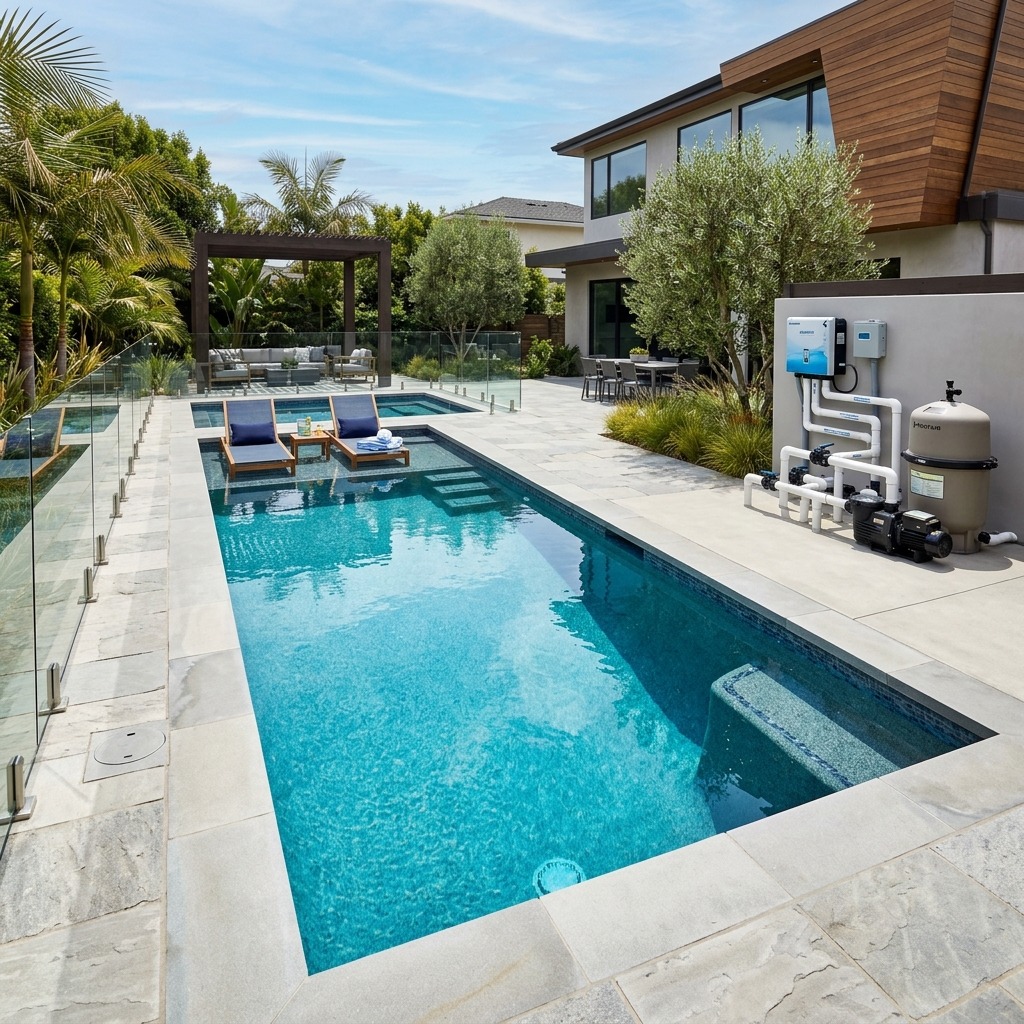
When the pool is finally finished, you must install safety barriers around the water. Builders often install beautiful frameless glass pool fencing so you can see the water clearly while keeping children safe. A safety inspector will then pull on the heavy glass gates using a digital spring balance gauge to test the latch strength. This final safety test guarantees the gates meet the strict Australian Standard AS 1926.1 Pool Safety rules. Knowing your amazing new pool meets the highest national safety standards gives you complete peace of mind. You can finally enjoy your beautiful backyard exactly the way you always wanted.
Building with core-filled masonry blocks offers exceptional durability but requires careful structural planning. To get an instant estimate of materials, reinforcing steel, and labor for your project, check out our free besser block pool cost calculator.