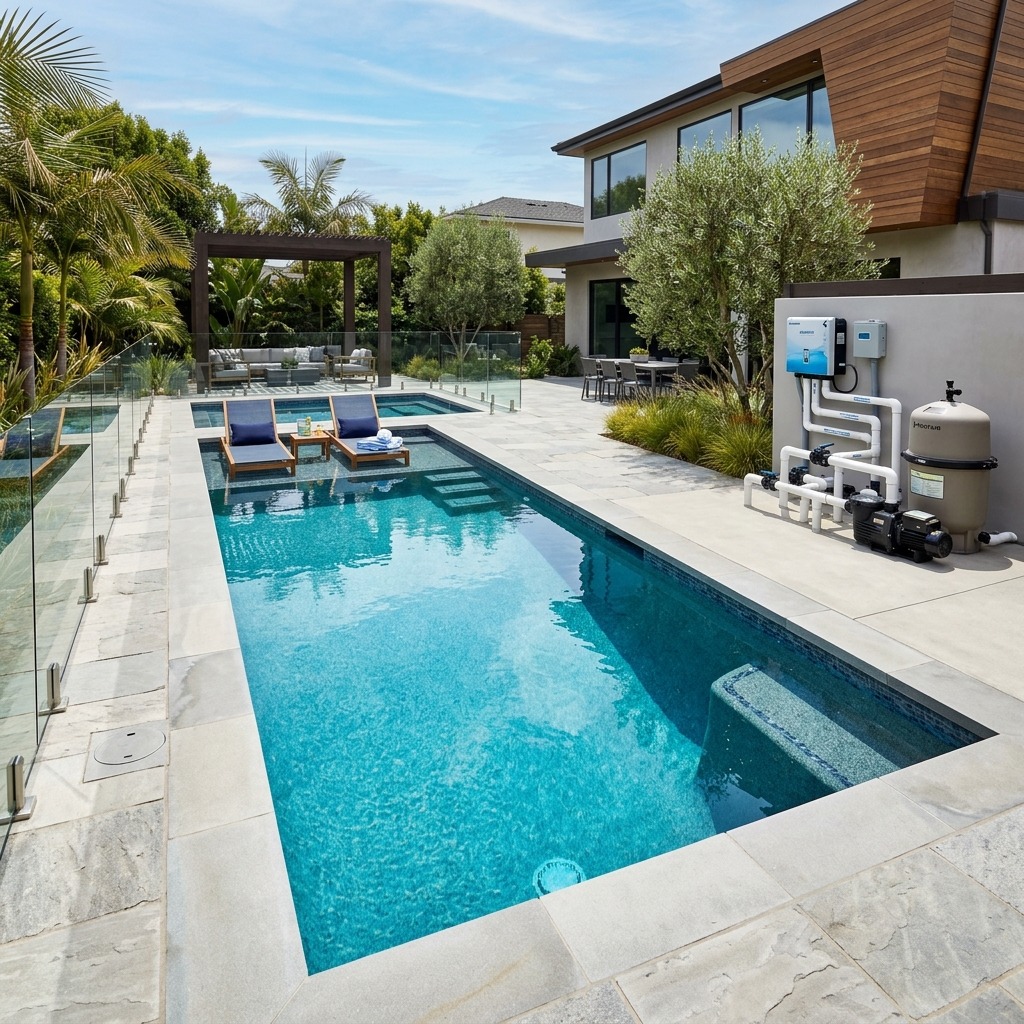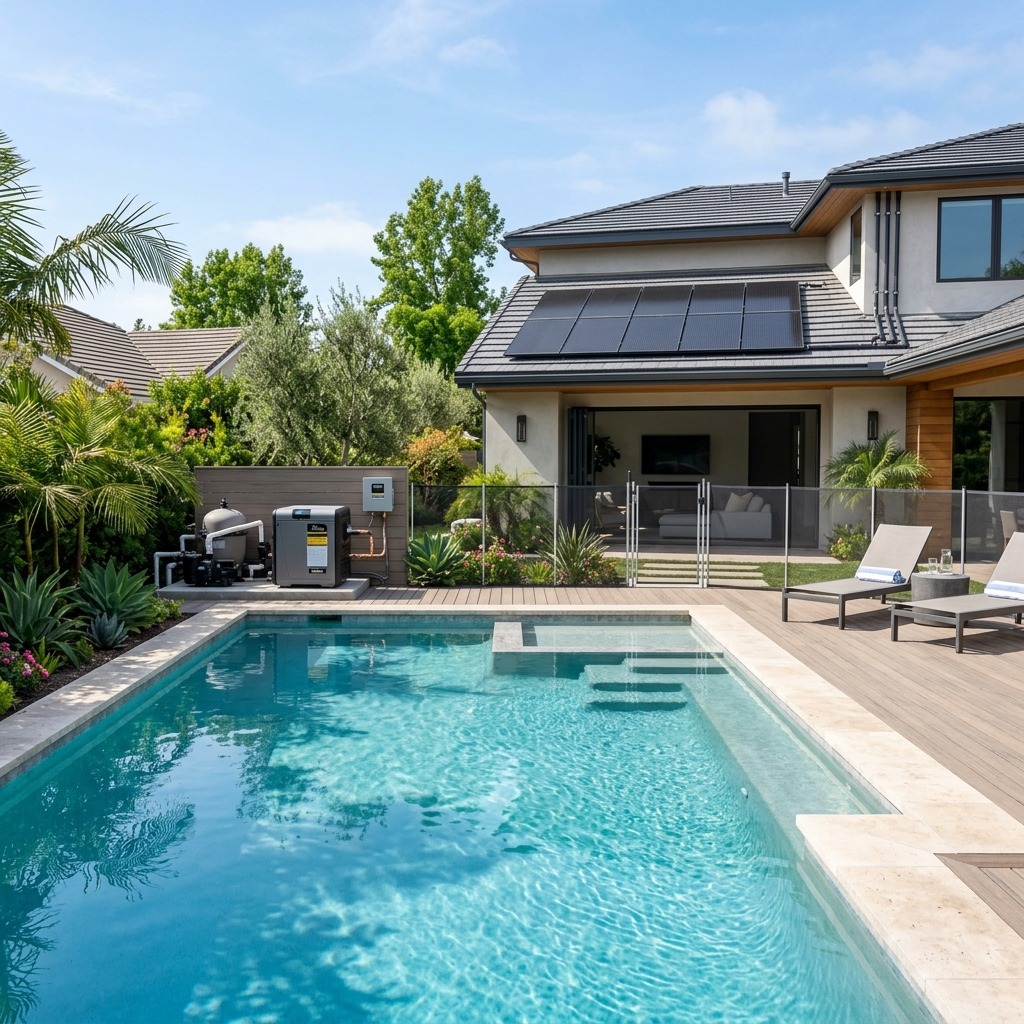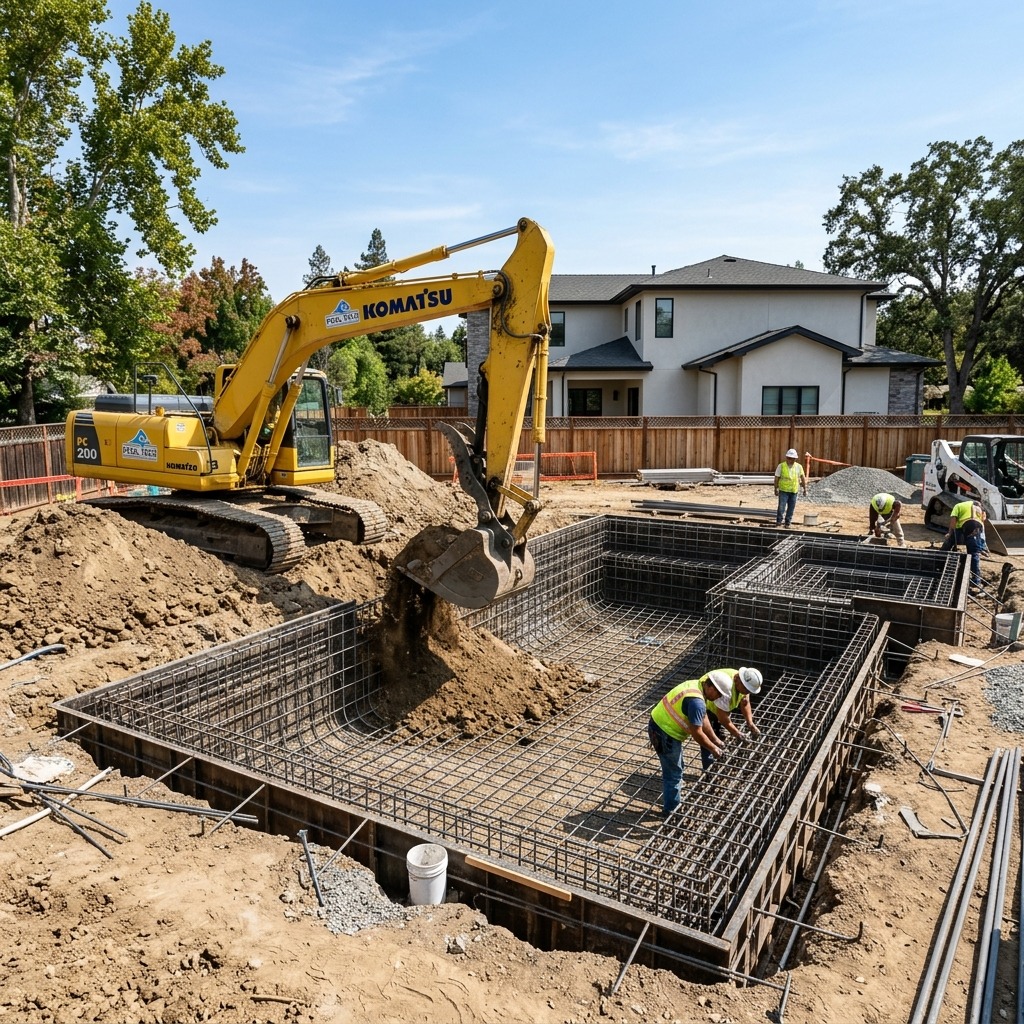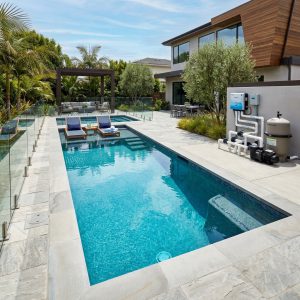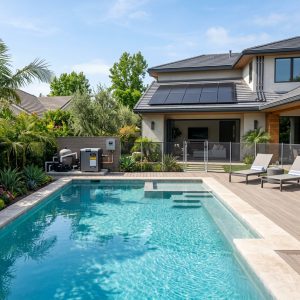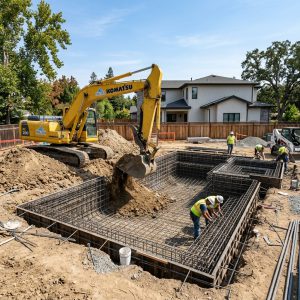
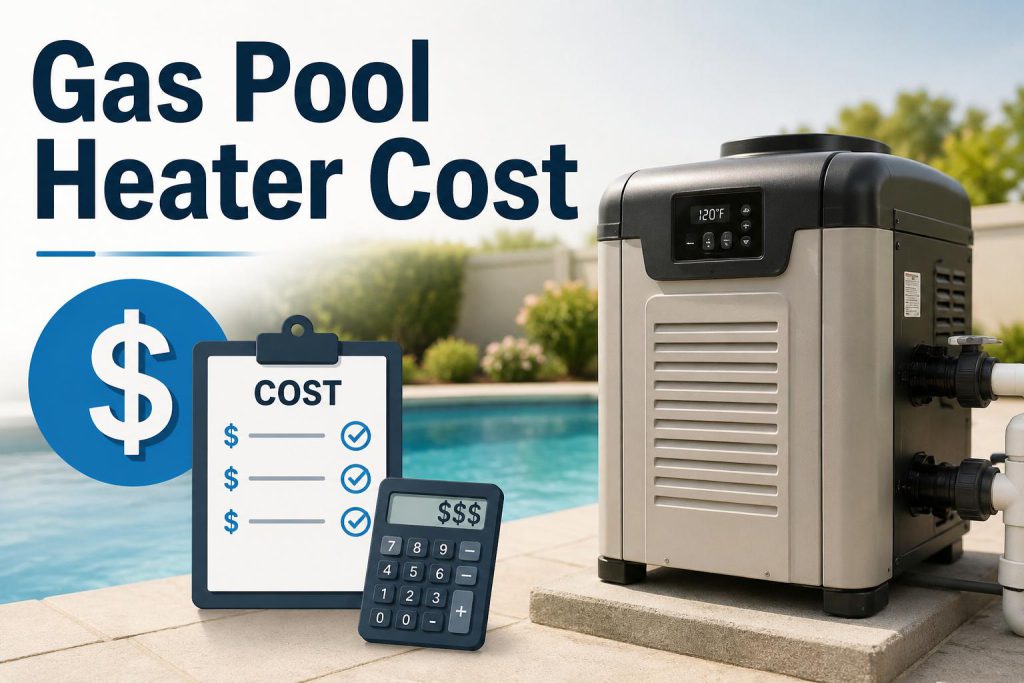
The total money you will spend on a gas pool heater in the USA usually falls between $2,000 and $4,500. This big price tag includes both buying the heater and paying someone to install it properly.
A big part of the cost depends on the parts inside the heater. For example, some units use a strong cupro-nickel heat exchanger. This metal part holds up well against pool chemicals and lasts a long time. Also, builders need to measure your backyard exactly to see where the heater fits. They use a digital laser distance meter to get perfect measurements. This step ensures the final setup meets the International Swimming Pool and Spa Code (ISPSC) rules. Because following these rules takes time and special tools, the total cost goes up. You are paying for a safe and solid setup.
How Much Does the Heater Unit Itself Cost?
The price of just the heater unit ranges from $1,500 to $3,000. This cost changes based on how much power the unit has. Large pools need heaters with more power, so those heaters cost more money.
When you buy a higher priced unit, you often get better parts. A good heater will have stainless steel burners inside. These burners create the flames that heat your water quickly. Also, the factory tests these parts to make sure they use energy well. Workers check the electrical parts using a digital multimeter before shipping the heater. This testing makes sure the heater follows the US Department of Energy (DOE) efficiency rules. Heaters that meet these strict rules save you money on your gas bill later. Therefore, spending more money at the start often buys a safer and better heater.
How Much Do Professionals Charge for Installation?
Paying a licensed expert to install your heater usually costs between $500 and $1,500. You should never try to connect gas lines on your own. It is a dangerous job that requires special training and expensive tools.
Plumbers must safely connect the heater to your home gas supply. They often use flexible yellow polyethylene gas pipes for this job. These pipes bend easily and handle gas pressure very well. After connecting the pipes, the plumber must check for invisible leaks. They use a combustible gas leak detector to scan every single joint. This testing proves the setup follows the strict safety rules of the NFPA 54 National Fuel Gas Code. Meeting this national code prevents fires and keeps your family safe. The cost of labor pays for this peace of mind.
What Are the Monthly Operating Costs for Natural Gas?
If you use natural gas, running your pool heater will likely cost between $200 and $400 every month. Natural gas comes directly to your house through underground pipes. It is usually the cheapest way to keep your pool warm all season.
Modern heaters are built to use this gas very efficiently. They start up using an electronic ignition module instead of an old pilot light. This part only sparks when the heater actually needs to run. Next, a professional will check the gas flow to the heater. They attach a digital gas pressure tester to make sure the pressure is just right. This careful setup ensures your heater meets the ANSI Z223.1 guidelines for safe gas burning. Because the heater burns the gas perfectly, you do not waste any fuel or money.
What Are the Monthly Operating Costs for Propane?
Running a propane pool heater is more expensive and usually costs between $300 and $500 per month. Propane does not come through city pipes. Instead, a delivery truck brings it to your house and fills up a tank in your yard.
To use this fuel, you must buy or rent a large liquid propane storage tank. This tank sits outside and holds the gas under high pressure. When setting up the tank, the worker must tighten the heavy valves perfectly. They use a high-pressure gas regulator wrench to make sure no gas escapes. This step is very important to obey the NFPA 58 Liquefied Petroleum Gas Code. Following this code keeps the high pressure tank safe in your yard. Because you have to pay for the truck delivery and the tank rental, your monthly bills will be higher.
What Factors Cause Gas Pool Heater Costs to Fluctuate?
Several things change how much money you spend on heating your pool. The weather where you live is a big factor. A heater in a cold northern state works harder than one in a sunny southern state.
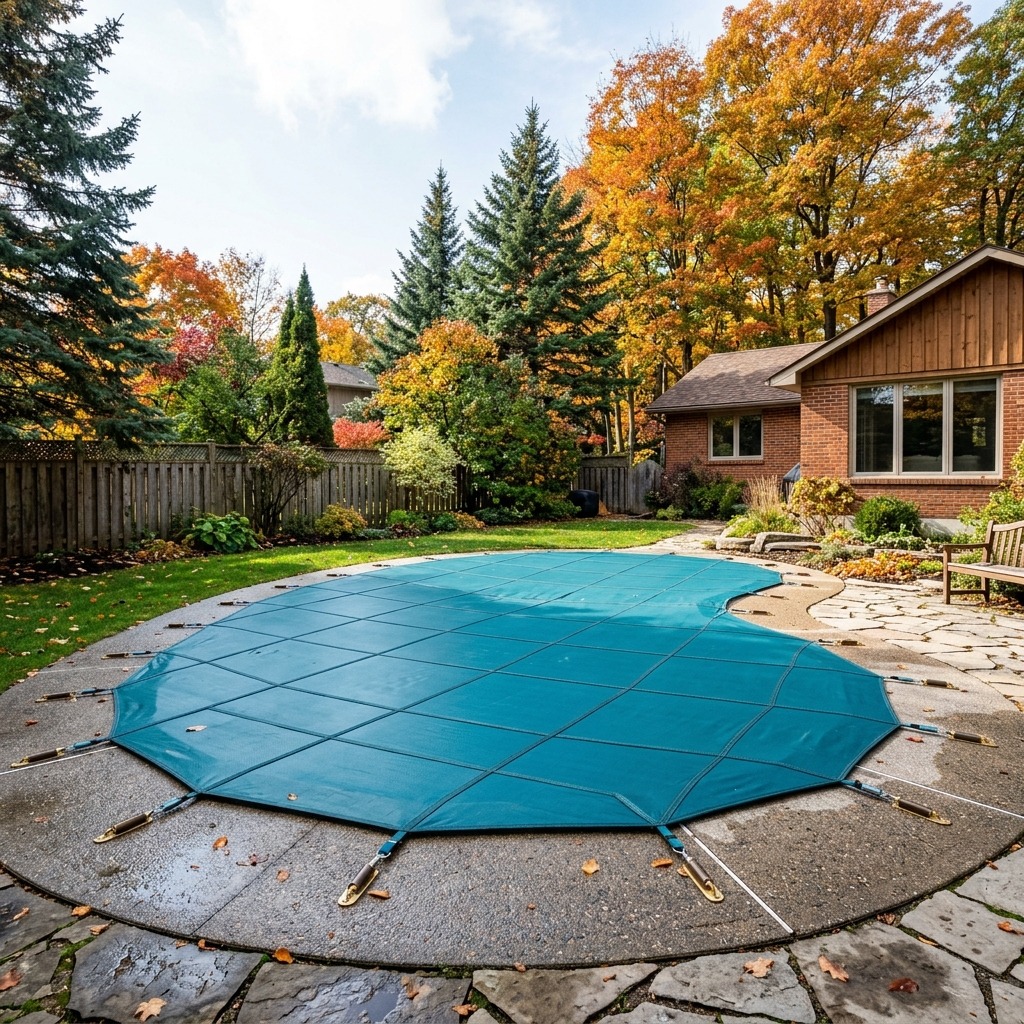
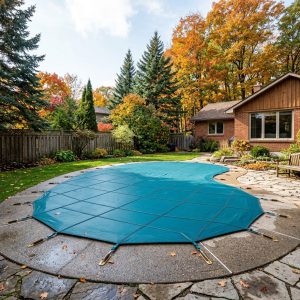
You can save a lot of money by trapping the heat in the water. To do this, you should roll out a heavy-duty vinyl solar cover over the pool every night. This thick cover stops warm water from turning into vapor and floating away. Experts can actually see this heat escaping if they point a thermal imaging camera at an uncovered pool. Keeping the pool covered directly follows the US Environmental Protection Agency (EPA) energy guidelines. These guidelines suggest covering your pool to save energy and lower your monthly bills. Simply using a cover can cut your gas costs in half.
How Do Gas Heaters Compare to Electric Heat Pumps?
Gas heaters are cheaper to buy but cost more to run each month. On the other hand, electric heat pumps are very expensive to buy but cost much less to run. Electric pumps pull warm air from outside, so they do not work well if the weather gets cold.
Electric heat pumps use very different parts inside. They often contain strong titanium heating coils that slowly transfer heat into the water. Also, they need plenty of fresh air to work right. Installers sometimes use a digital air balancing hood to check the airflow around the unit. Furthermore, putting in an electric pump requires heavy wiring work. The electrician must follow the National Electrical Code (NEC) Section 680 to protect swimmers from electric shocks. If you want fast heat in any weather, gas is better. If you want slow heat and low monthly bills, electricity is better.
Is a Gas Pool Heater Worth the Investment?
A gas pool heater is absolutely worth the money if you want to swim in warm water whenever you want. It gives you the freedom to swim late at night or during chilly autumn days. You get to control exactly when your pool is ready to use.
Inside the heater, a smart high-flow water thermostat reads the exact temperature of your pool. It tells the heater to turn on and off at the perfect times. Also, a professional will tune the heater so it burns clean. They place a flue gas combustion analyzer into the exhaust pipe to measure the smoke. This final test ensures the exhaust gases meet the ASME Boiler and Pressure Vessel Code. Knowing your heater meets these high national standards means you can swim safely. You can finally enjoy your swimming pool exactly the way you always wanted.
Before finalizing your budget, it is important to estimate the monthly fuel consumption based on your pool size. You can use our interactive gas pool heater cost calculator to quickly determine the operational costs for your specific setup.