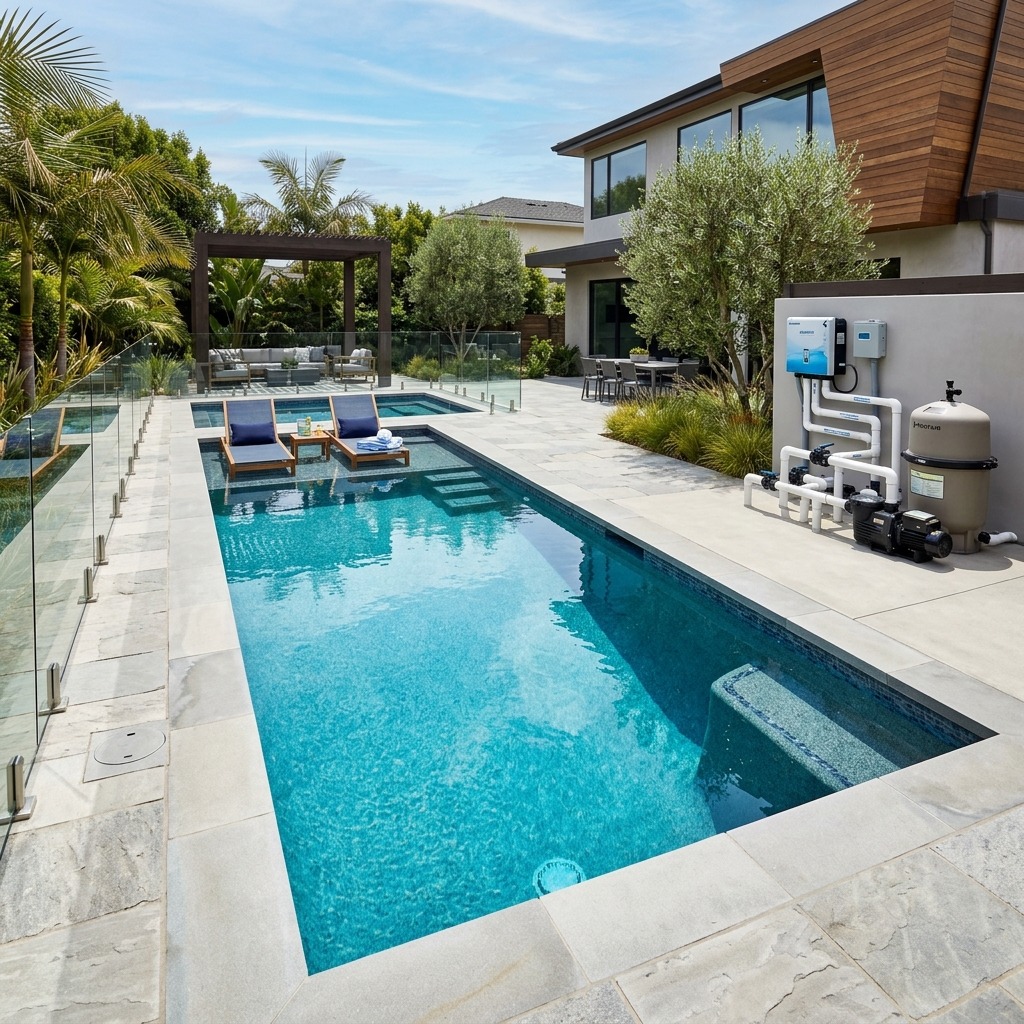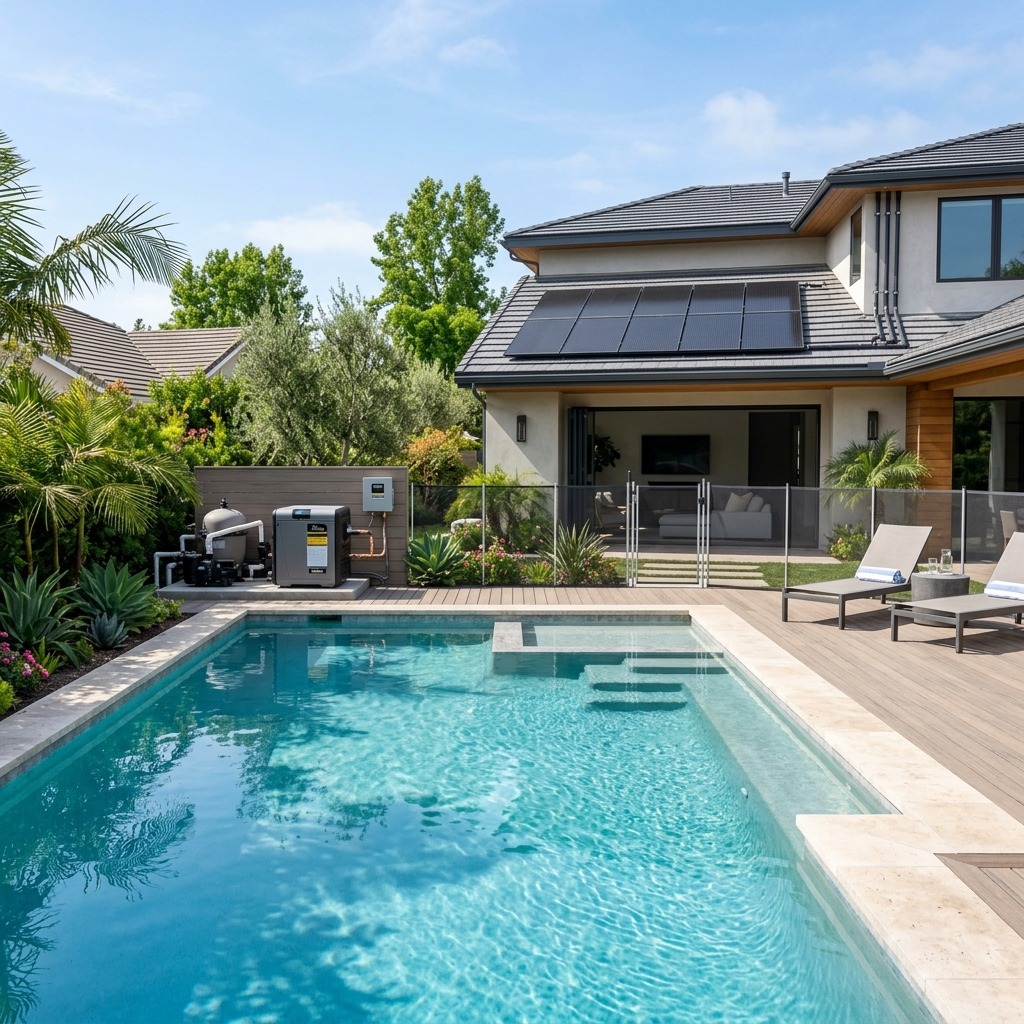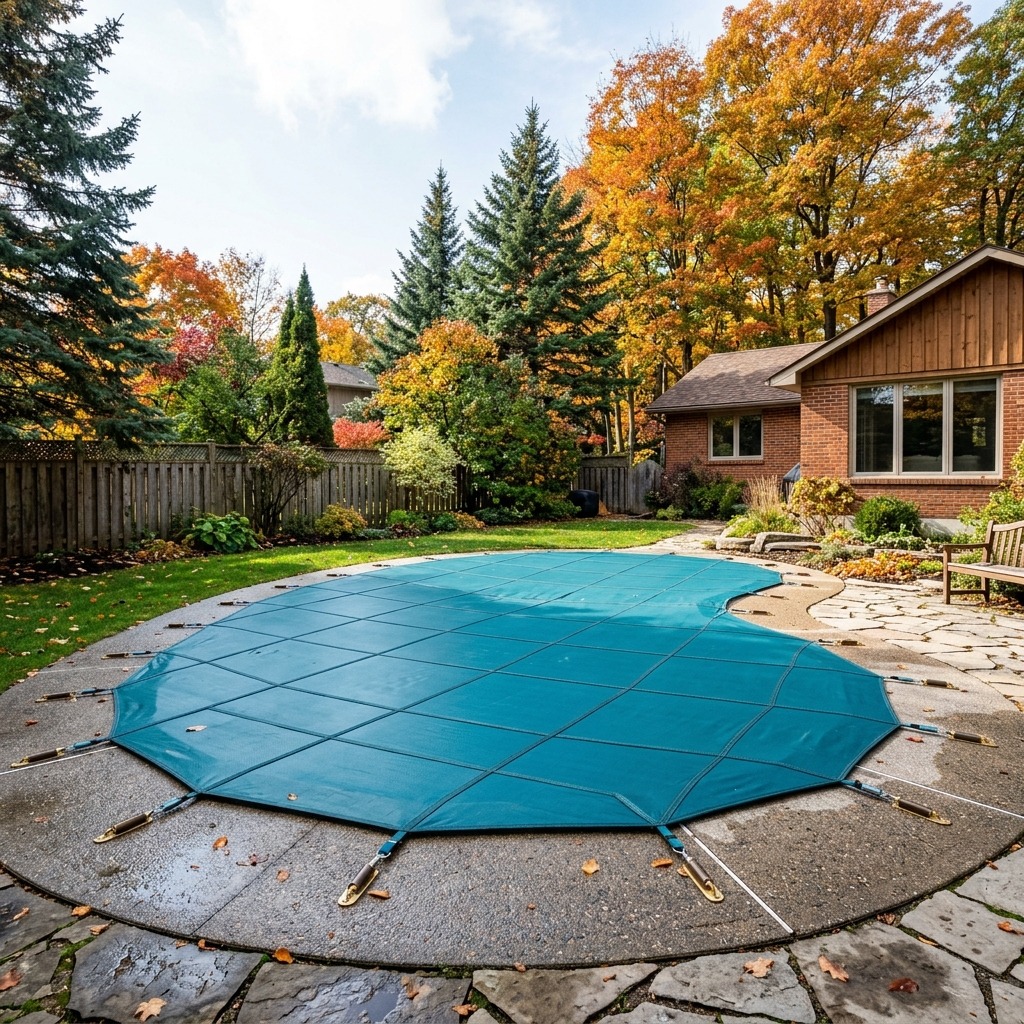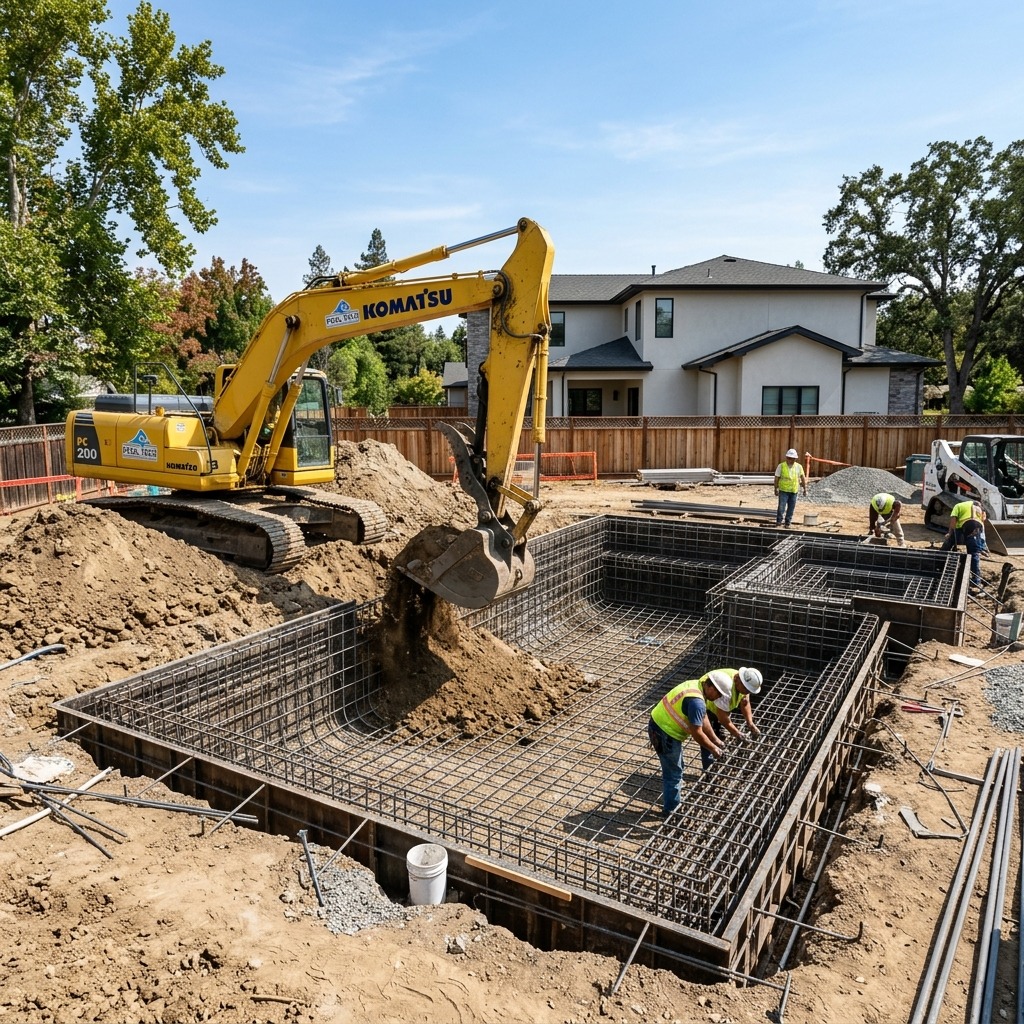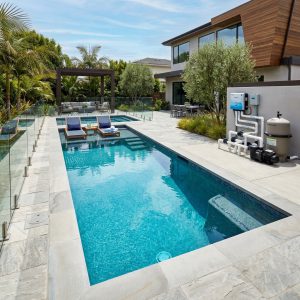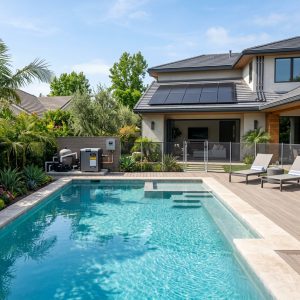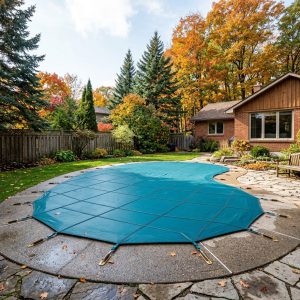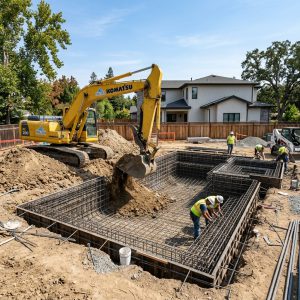
Installing a residential swimming pool is one of the most rewarding home improvements a homeowner can undertake, providing endless summer relaxation and enhanced property value. However, true backyard pool ownership requires a realistic understanding of recurring operational expenses. From chemical dosing and pump electrical consumption to filter element backwashing and professional service contracts, routine pool maintenance represents a mandatory financial commitment.
In 2026, the national average cost to maintain a residential inground pool ranges from $120 to $350 per month for routine cleaning, chemical balancing, and equipment inspections. On an annual basis, homeowners should budget between $1,440 and $4,200. However, total out-of-pocket operational costs vary significantly depending on pool volume (in gallons), surface material (gunite plaster, fiberglass shell, or vinyl liner), geographic climate zone, and whether you perform maintenance DIY or contract a certified pool service technician.
1. Comprehensive Breakdown of Monthly Operational Expenses
To preserve crystal-clear water sanitation, prevent aggressive algae blooms, and protect expensive mechanical pumps against premature failure, regular pool upkeep is essential. Operational expenses divide into five primary categories:
| Maintenance Category | Monthly DIY Cost | Monthly Pro Service Cost | Annual Financial Impact |
|---|---|---|---|
| Chemical Supplies (Chlorine, Shock, Acid, Stabilizer) | $45 – $95 | Included in Pro Service | $540 – $1,140 |
| Professional Cleaning & Labor | $0 (DIY Labor) | $125 – $285 | $1,500 – $3,420 |
| Pump & Filtration Electrical Power | $40 – $95 | $40 – $95 | $480 – $1,140 |
| Water Evaporation & Top-Off Fees | $15 – $45 | $15 – $45 | $180 – $540 |
| Equipment Wear Reserve Fund | $25 – $50 | $25 – $50 | $300 – $600 |
| Total Estimated Budget Range | $125 – $285 / mo | $205 – $475 / mo | $1,500 – $5,700 / yr |
2. Water Chemistry Management: Formulas & Chemical Costs
Maintaining proper water chemistry requires balancing five critical parameters. Skipping water testing leads to green algae blooms, eye burning, and costly plaster etching:
Free Available Chlorine ($35 – $65 per month)
Free chlorine acts as the primary sanitizing agent, destroying pathogenic bacteria, viruses, and organic contaminants. Maintaining a recommended level of 1.0 to 3.0 parts per million (ppm) requires regular dosing with 3-inch trichlor tabs or liquid sodium hypochlorite.
Pool Shock & Super-Chlorination ($20 – $40 per month)
Weekly super-chlorination treatment burns off combined chloramines (used chlorine that creates harsh chemical odors). Dosing with calcium hypochlorite shock is performed using a heavy-duty telescopic pole and deep mesh skimmer net to clear debris before treatment.
pH & Total Alkalinity Adjusters ($15 – $30 per month)
Ideal pool water pH ranges between 7.4 and 7.6. High pH causes calcium scaling on heat exchangers, while low pH etches plaster and corrodes pump impellers. Adjustments require muriatic acid to lower pH or sodium bicarbonate (baking soda) to raise alkalinity.
Cyanuric Acid Stabilizer ($15 – $25 per season)
Cyanuric acid (CYA) acts as a sunblock for chlorine, preventing solar UV rays from dissipating free chlorine in outdoor pools.Dosing is executed in compliance with OSHA Standard 1910.1200 safety standards.
Calcium Hardness Adjusters ($10 – $20 per season)
Maintaining calcium hardness between 200 and 400 ppm prevents aggressive water from leaching calcium directly out of gunite plaster walls. Calculate resurfacing options in our Pool Resurfacing Cost Calculator.
3. Step-by-Step DIY Maintenance Schedule & Required Tools
Homeowners who choose self-maintenance invest 2 to 4 hours weekly. Here is the recommended step-by-step maintenance protocol:
- Daily Skimming & Basket Clearing: Remove floating leaves and surface debris using a telescopic pole and skimmer net. Empty pump strainer baskets daily to maintain full hydraulic flow.
- Weekly Water Testing: Use a drop-matching liquid reagent test kit (or digital photometer) to measure pH, free chlorine, total alkalinity, and cyanuric acid.
- Weekly Wall Brushing & Vacuuming: Brush pool walls with a nylon or stainless-steel wire brush to disrupt microscopic algae attachment. Vacuum pool floor sediment using a manual vacuum head and heavy-duty hose connected to the skimmer suction line.
- Monthly Filter Maintenance: Inspect filter pressure gauges. Backwash sand filters or DE filters when pressure increases by 8 to 10 PSI over baseline. Cartridge filter elements require pressure washing every 4 to 6 weeks.
4. Hiring a Professional Pool Service: Pricing Tiers & Services
Many homeowners prefer hiring a certified pool service company to handle weekly chemical handling and labor. Professional service plans fall into three distinct pricing tiers:
- Chemical-Only Service ($85 – $140/month): Includes weekly water testing, precise chemical additions, and pump basket emptying. The homeowner handles brushing and vacuuming.
- Standard Maintenance Package ($140 – $220/month): Includes full water chemical balancing, wall brushing, surface skimming, and filter backwashing.
- Full Premium Service ($220 – $350+/month): Complete turnkey maintenance including weekly vacuuming, tile line scrubbing, automatic pool cleaner bag emptying, and seasonal equipment inspections.
5. Regional Climate Impacts on Annual Ownership Costs
Geographic location dramatically dictates annual maintenance budgets across North America:
| Geographic Region | Active Season Duration | Avg Monthly Summer Cost | Total Annual Cost Range |
|---|---|---|---|
| Sunbelt States (CA, AZ, TX, FL) | 12 Months (Year-Round) | $180 – $320 | $2,160 – $3,840 |
| Mid-Atlantic & Southeast (NC, VA, GA) | 7 to 9 Months | $160 – $280 | $1,800 – $3,200 |
| Northeast & Midwest (NY, IL, OH, PA) | 4 to 5 Months | $200 – $350 | $1,400 – $2,800 (incl. Opening/Closing) |
| Pacific Northwest (WA, OR) | 4 to 5 Months | $170 – $300 | $1,300 – $2,500 |
For colder northern climates, seasonal opening and closing fees add $450 to $950 per year. Learn complete seasonal details in our Pool Winterization and Opening Cost Guide.
6. Equipment Longevity & Depreciation Reserve
Beyond weekly chemicals, pool mechanical equipment wears out over time. Establishing a long-term capital replacement fund ($300 – $600 per year) prevents sudden financial strain:
- Variable-Speed Circulation Pumps: Lifespan 7–10 years; replacement cost $950 – $1,950.
- Cartridge & DE Filter Elements: Lifespan 3–5 years; replacement cost $220 – $520.
- Gas Heaters & Heat Pumps: Lifespan 8–12 years; replacement cost $2,600 – $5,800. Compare energy efficiency in our Pool Heater Running Costs Analysis.
- Salt Electrolytic Generator Cells: Lifespan 4–7 years; replacement cost $650 – $1,250. See full details in our Saltwater Pool Conversion Guide.
Frequently Asked Questions (FAQ)
How much does it cost to maintain a saltwater pool versus traditional chlorine?
Saltwater pools cost approximately $30 to $60 per month in electrical power and salt top-offs compared to $60 to $100 per month for traditional chlorine tabs. However, saltwater owners must budget $700 to $1,200 every 4 to 6 years for salt cell replacements. Calculate salt system savings using our free Salt Water Pool Cost Estimator.
How often should pool filters be backwashed or cleaned?
Cartridge filters should be rinsed monthly and deep-cleaned twice a year. Sand filters should be backwashed when pressure gauges rise 8–10 PSI above baseline, and DE filters require backwashing and fresh DE powder recharge every 4 to 6 weeks.
What is the most expensive part of pool maintenance?
The most expensive ongoing maintenance costs are chemical supplies for chlorine pools, electricity for circulating pumps and heaters, and long-term equipment replacements such as pumps, heaters, and plaster resurfacing.
Calculate Your Complete Pool Installation & Upkeep Budget
Planning a new pool build or updating an existing installation? Use our free suite of online estimation tools, including the Inground Pool Cost Calculator, Above Ground Pool Cost Guide, and Pool Resurfacing Cost Calculator. Review our official Cost Estimation Disclaimer and Contact Desk before hiring local contractors.