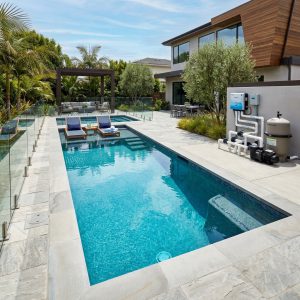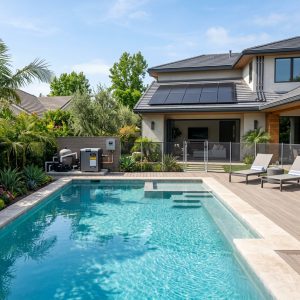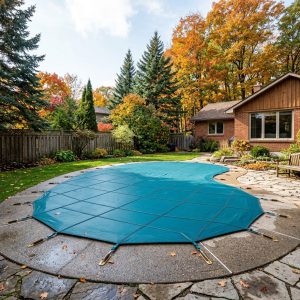
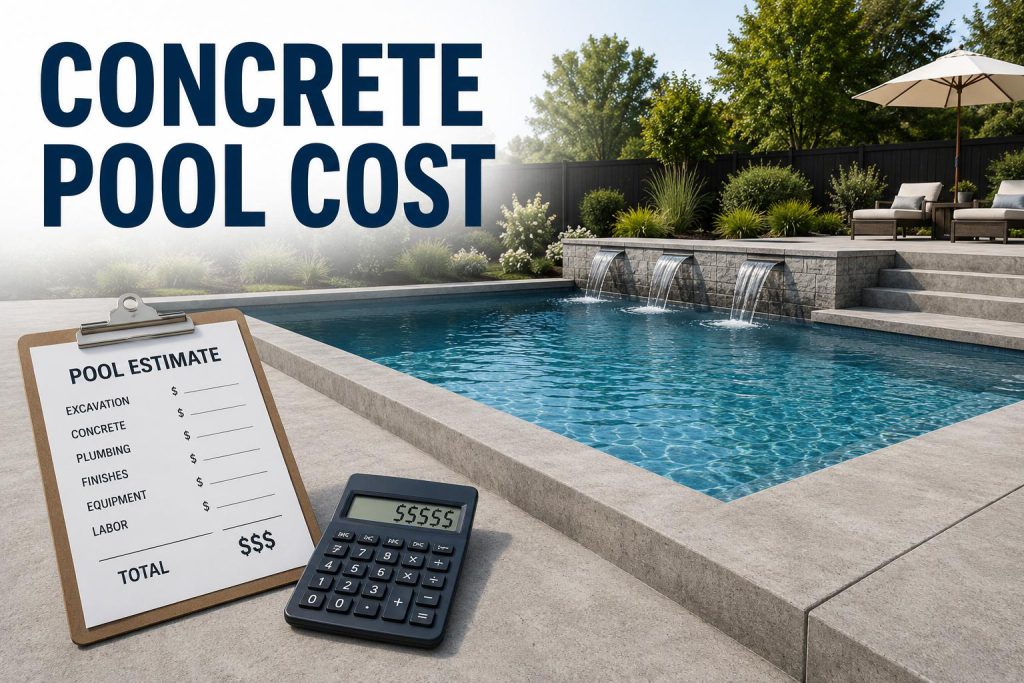
The average cost of an inground concrete pool in the US falls between $50,000 and $120,000. Most homeowners spend around $66,000 for a standard 14-by-28-foot pool. For larger, custom, or luxury designs, total costs can easily reach $200,000 or more.
The high price comes from the way these pools are built. Workers spray a material called shotcrete concrete mixture directly onto a steel frame. Before any spraying starts, the crew checks the wall thickness using an ultrasonic concrete thickness gauge to make sure the shell meets the minimum strength required. Every finished pool must meet the ISPSC Section 305 barrier requirements to pass inspection. This extra attention to quality and safety is what drives the starting price so high compared to other pool types.
How Much Do Site Excavation and Permits Cost?
Excavation and permits together usually cost between $1,500 and $5,000, but difficult sites can push that number much higher. Before any digging starts, the contractor must pull a building permit from your local city or county. This step alone can add $450 to $1,800 to your budget.
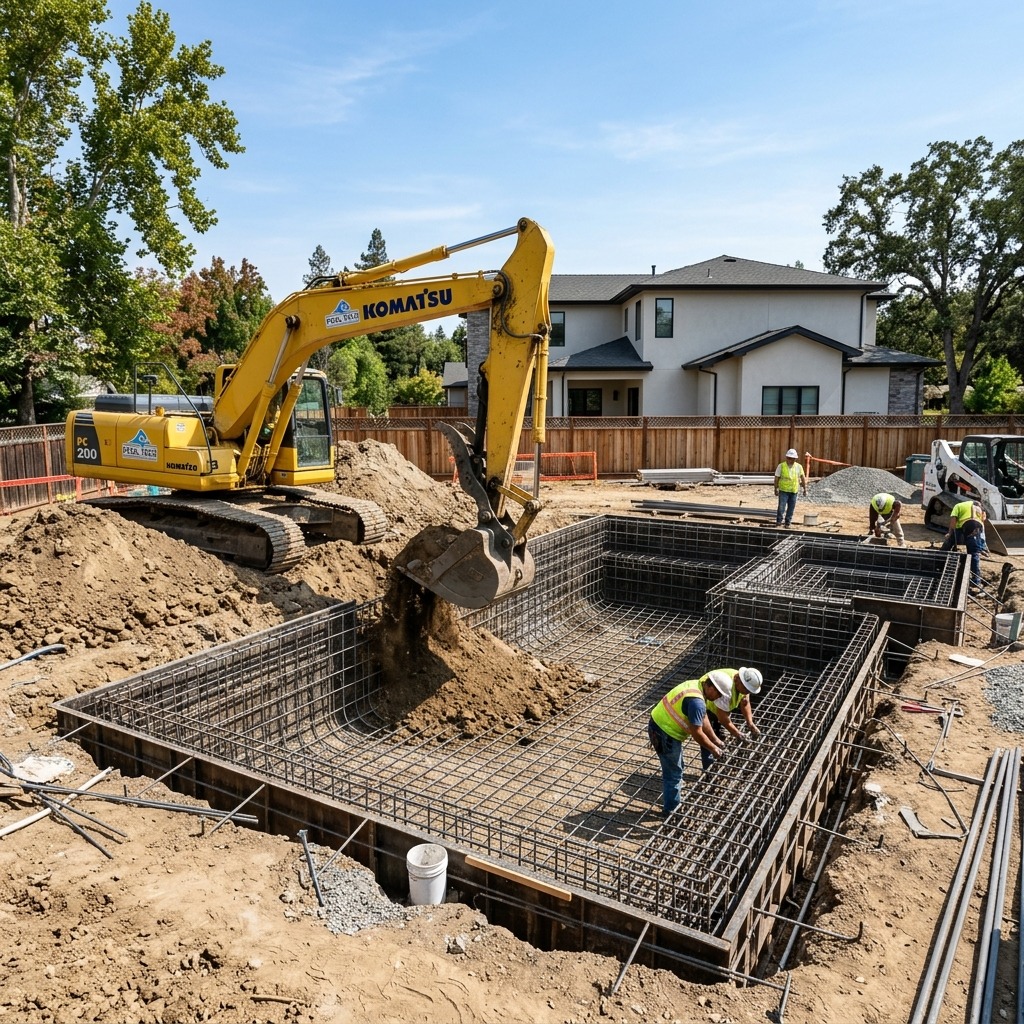
Once permits are approved, workers line the excavation area using a GPS RTK receiver to mark the exact pool boundaries with precision. They then lay down geotextile filter fabric at the base of the dig site to prevent soil from shifting under the shell over time. All digging work must follow OSHA Standard 1926.651 excavation requirements, which sets strict rules about trench depth, slope angles, and worker safety. If your yard has rocky soil or poor access for heavy equipment, excavation costs can rise to $10,000 or more.
How Much Does the Steel Rebar Framework Cost?
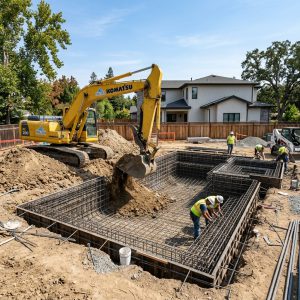
The steel framework for a concrete pool typically costs between $8,000 and $20,000. This step is the backbone of the entire pool structure. Workers bend and tie hundreds of pieces of steel into a grid that forms the exact shape of your pool.
Builders use grade 60 steel rebar for the framework because it has the strength needed to hold back tons of water and surrounding soil. Workers connect the steel bars quickly and tightly using a cordless rebar tying tool, which speeds up the process while keeping each connection secure. All rebar placement must follow ACI 318-19 concrete structural code, which sets the exact spacing and overlap distances required for pool shells. Skipping or shortcutting this stage leads to cracks down the road, so quality contractors never rush it.
How Much Does Plumbing and Equipment Installation Cost?
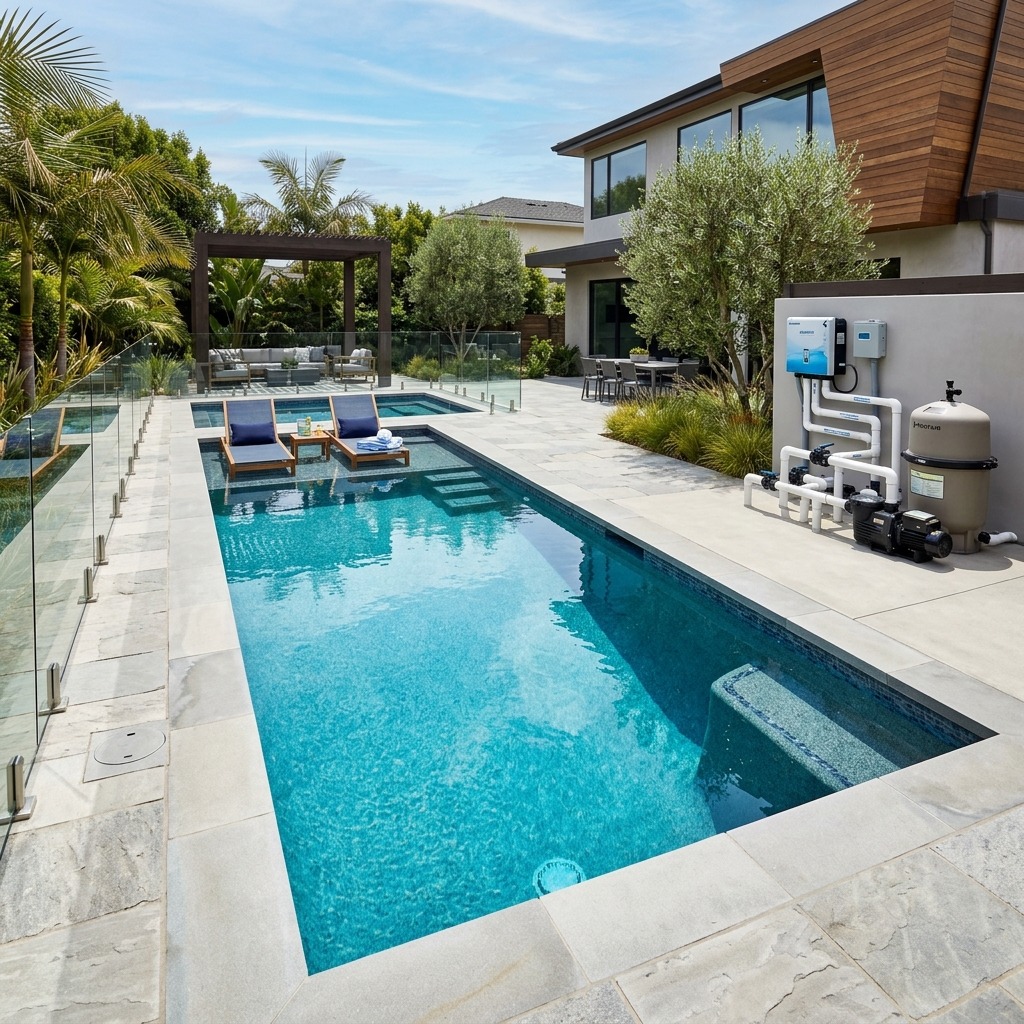
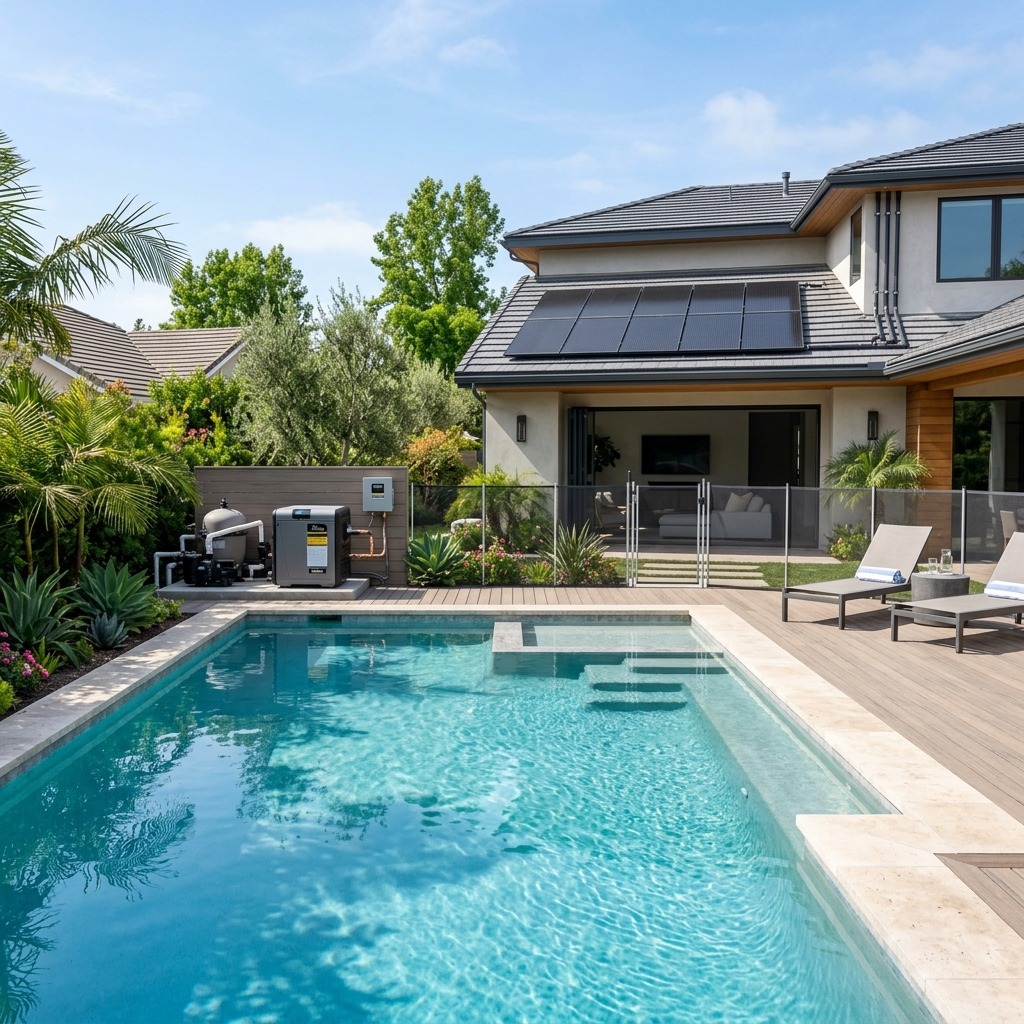
Plumbing, filtration, and equipment installation adds another $5,000 to $15,000 to your total. This covers the pipes, filter system, pump, and electrical connections that keep your pool clean and safe.
Installers run schedule 40 PVC plumbing pipes through the walls of the pool shell before the concrete is sprayed. This makes the pipes completely secure and permanent. The flow rate of every pipe is then measured using an ultrasonic flow meter to make sure water circulates at the correct speed. All metal parts near the water, including the pump, ladder, and handrails, must be bonded together according to NEC Section 680.26 bonding requirements. This bonding prevents dangerous electrical currents from passing through the water. Next, the contractor installs the pump, filter, and heater equipment on a concrete pad outside the pool.
How Much Do the Pool Plaster and Interior Finishes Cost?
Standard white plaster costs around $5,000 to $10,000 for a typical pool. A premium exposed quartz aggregate finish, sometimes called Pebble Tec or similar, costs between $10,000 and $25,000 depending on the pool size. The finish you pick determines how the pool feels underfoot and how long it lasts before needing resurfacing.
During application, workers check the coat thickness using a wet film thickness gauge to ensure a consistent layer across the entire pool surface. Proper thickness prevents early cracking and protects the shell from water penetration. All drain covers and suction outlets in the finished pool must comply with ANSI/APSP-16 suction outlet standards to prevent dangerous entrapment injuries. This standard is non-negotiable and applies to every residential pool built in the US.
Why Does the Concrete Curing and Pouring Stage Cost So Much?
The concrete spraying and curing stage is the most labor-heavy part of the build and adds $10,000 to $30,000 to your total. A full crew must work quickly and without stopping once the concrete starts spraying. Any delay can cause the mix to harden unevenly, which weakens the shell.
After the concrete is applied, workers coat the surface with a liquid concrete curing compound to slow down water evaporation from the shell. This keeps the concrete damp and helps it cure at the correct rate. Sensors called concrete maturity sensors are embedded in the shell during this stage to track the internal temperature and hydration level in real time. All curing procedures must meet ASTM C309 curing standards, which define the chemical and performance requirements for curing compounds used on concrete structures. The curing stage alone can take 28 days before the shell reaches its full designed strength.
What Are the Long-Term Maintenance and Resurfacing Costs?
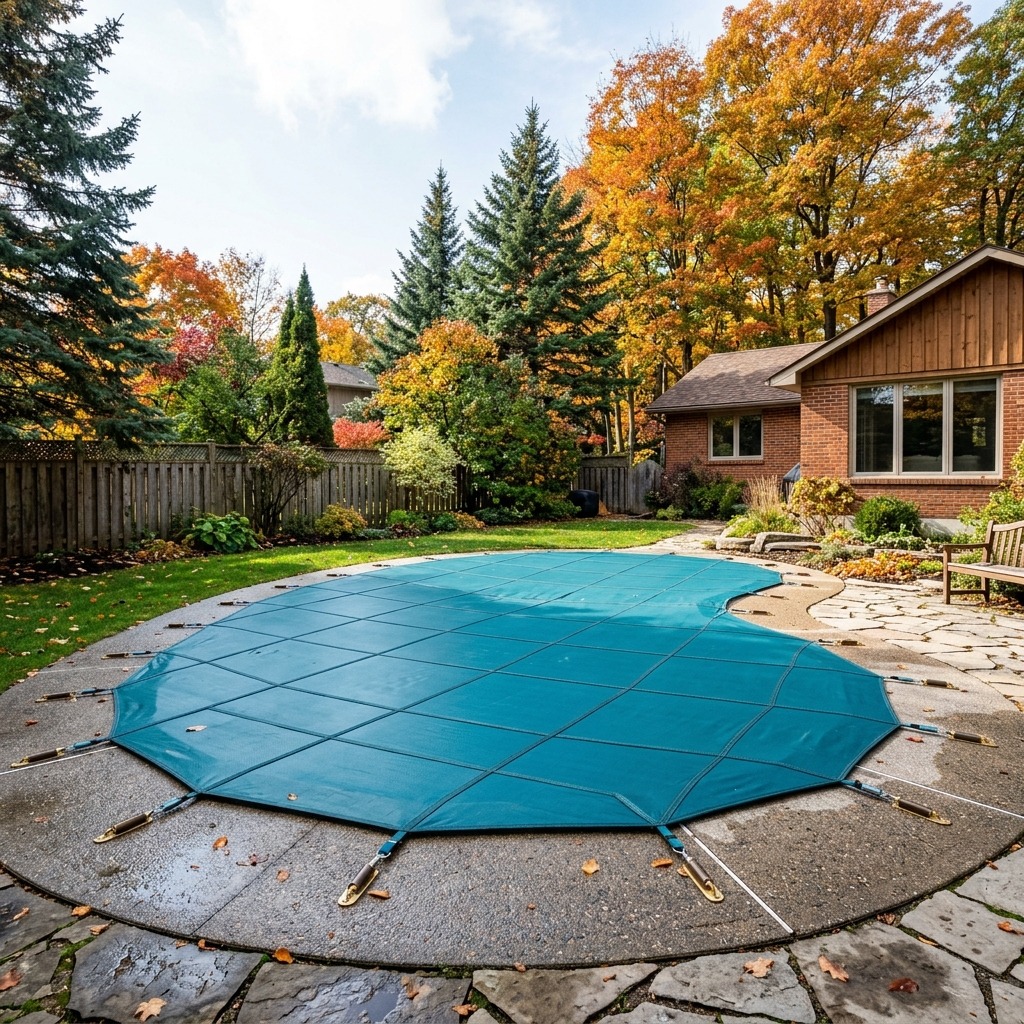
Plan to spend between $2,000 and $4,000 per year on routine concrete pool maintenance. Also, every 10 to 15 years, you will need to resurface the interior of the pool at a cost of $6,000 to $15,000.
Concrete pools need much more regular care than fiberglass pools. The porous surface absorbs minerals and allows algae to grow if chemicals are not balanced carefully. Most owners use a water chemistry photometer to test the chemical levels of the pool water at least twice a week. This small device gives precise readings for chlorine, pH, and alkalinity in seconds. When the surface becomes rough and stained beyond repair, workers remove and replace the finish using a fresh pebble aggregate resurfacing plaster. All public and residential pool water quality standards fall under CDC Model Aquatic Health Code Section 4.7.3, which sets the acceptable ranges for disinfectant levels and pH balance.
Concrete and gunite pools offer unlimited design freedom, but their custom nature means prices vary widely based on finishes and coping. To model your backyard dimensions and estimate your total investment, use our online concrete pool cost calculator.