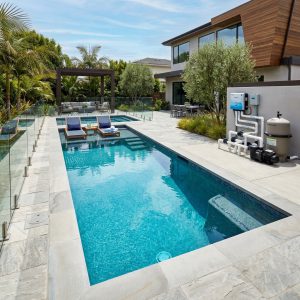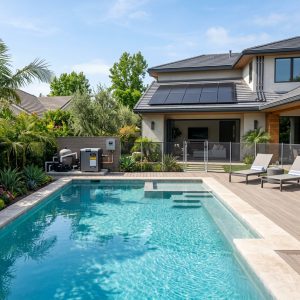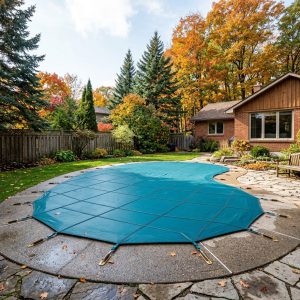
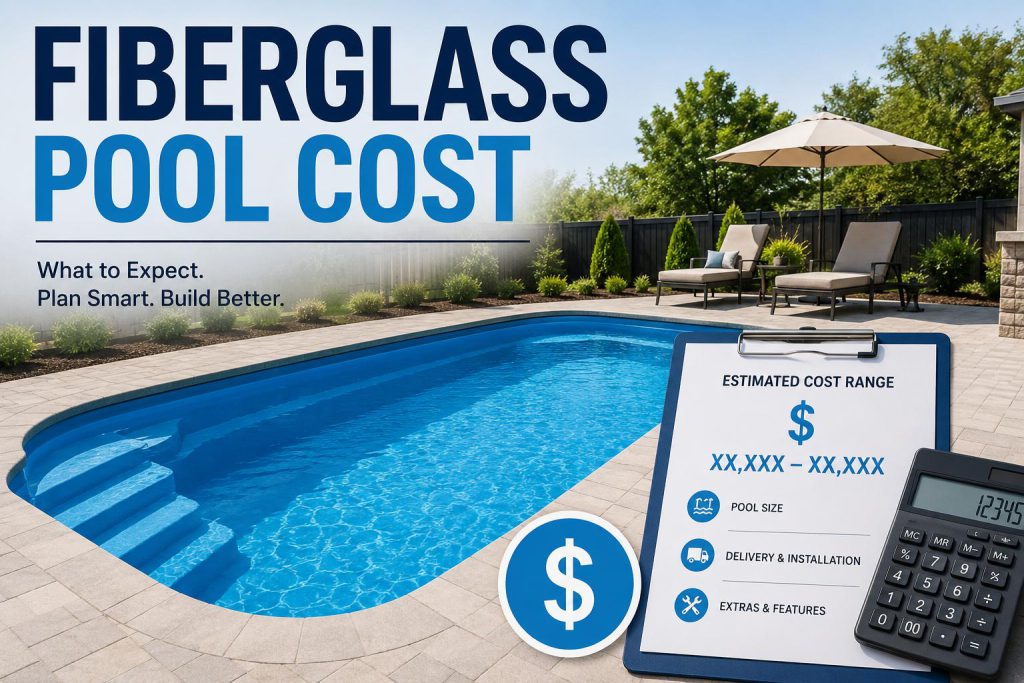
The average cost of a fully installed fiberglass pool in the US falls between $45,000 and $100,000. A basic shell-plus-installation package typically starts around $45,000. A full turn-key project that includes a concrete patio, fencing, and equipment upgrades can reach $85,000 to $200,000 or more.
The price depends on the quality of the shell and how well it is built at the factory. Every fiberglass shell is coated with a smooth layer called a gelcoat surface coating. This coating protects the shell from chemicals and ultraviolet light. Before a shell leaves the factory, quality control technicians check the hardness of the gelcoat using a Barcol hardness tester. A passing score on this test confirms the shell meets strength standards. Once installed, the finished pool must also pass a local safety inspection under the Florida Building Code Section R4501.17 residential swimming pool barrier requirements, which is one of the most widely referenced pool safety codes in the US. This combination of factory quality control and local code compliance is what separates a trustworthy installation from a cheap one.
How Much Does the Fiberglass Pool Shell Itself Cost?
The shell alone typically costs between $10,000 and $35,000, depending on the size and model. A small 12-by-24-foot shell sits at the lower end of that range. A large 16-by-40-foot shell with a built-in spa or tanning ledge pushes toward the top.
Every shell is built layer by layer at the manufacturing plant. Workers lay down multiple layers of woven roving fiberglass layers to give the shell its strength and rigidity. Workers spray the chopped fiberglass strands using a chopper gun for fiberglass application to build up the thickness of the structural core. Each finished shell must meet the product performance standards set by ICC-ES AC274 evaluation service standards, which verify that a fiberglass pool product is structurally sound enough for residential use. A shell that meets this standard costs more to produce, but it holds its shape far better over decades of use. Always ask your dealer to confirm that the specific shell model carries this certification before you buy.
How Much Do Excavation and Site Preparation Cost?
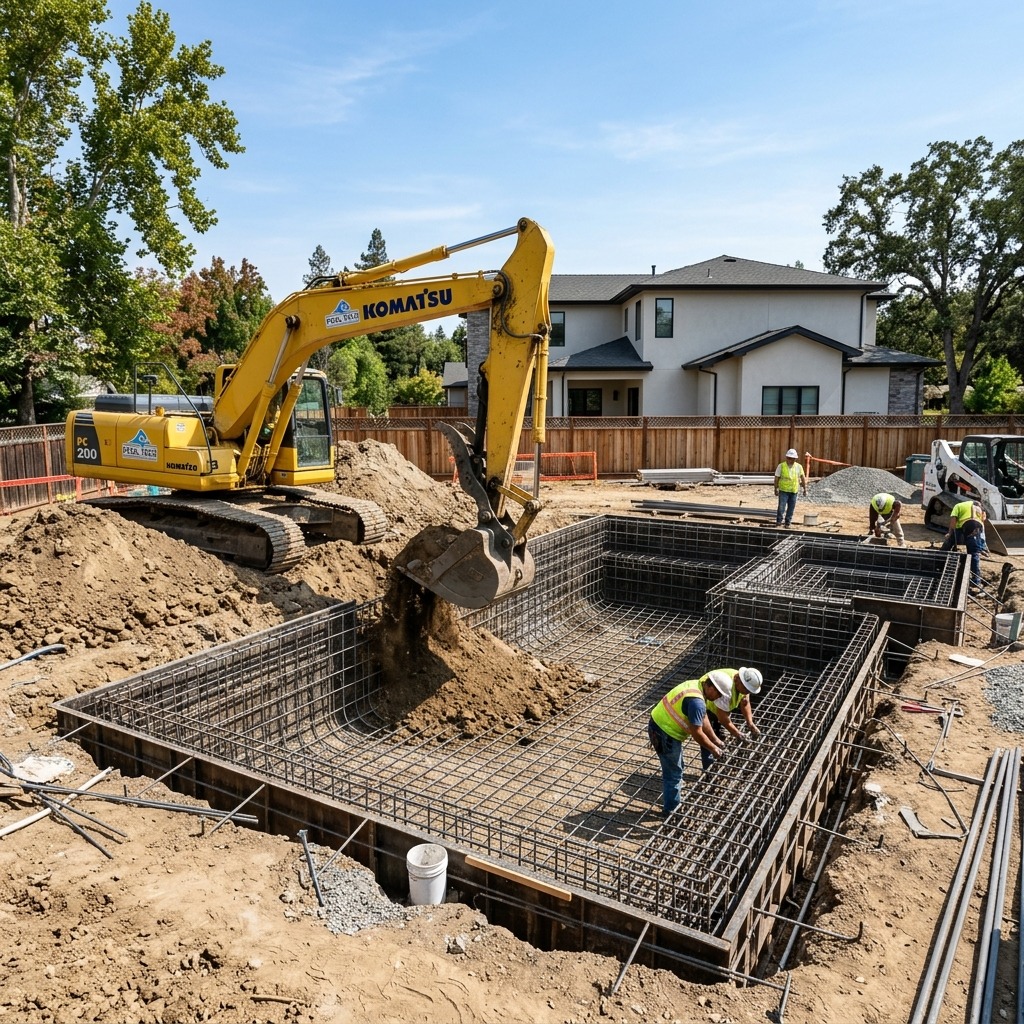
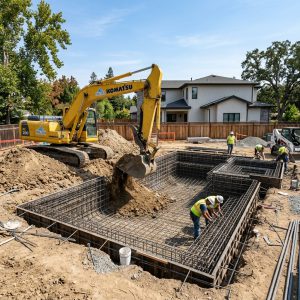
Excavation and site preparation typically cost between $1,500 and $5,000 for a standard yard. Rocky soil, high water tables, or a yard with poor equipment access can push excavation costs above $10,000.
Before any digging starts, workers lay down non-woven geotextile stabilization fabric around the base of the excavation to prevent loose soil from mixing with the gravel bed that will support the shell. The excavation crew sets the correct grade and depth across the dig site using a dual-slope rotary laser level, which projects a flat reference plane across the entire hole. This ensures the shell will sit perfectly level when it arrives. All excavation work must follow OSHA Standard 1926.652 excavation protection requirements, which defines the minimum shoring and slope standards for trench safety. If the contractor skips this step, the site becomes unsafe and may fail the city inspection.
How Much Do Delivery and Crane Rigging Cost?
Crane delivery and rigging fees typically add $1,000 to $3,500 to your total. This cost covers hiring a crane operator and the rigging crew who safely move the shell from the delivery truck into the hole. The shell is fragile during this process and must not be dropped or twisted.
Rigging crews attach the shell to the crane using heavy-duty polyester spreader bar lifting slings, which distribute the weight evenly across the shell without cracking the gelcoat. The crane operator monitors the exact weight being lifted at all times using a crane load moment indicator (LMI) mounted inside the cab. This real-time weight display prevents the crane from being overloaded. All rigging and lifting operations must follow the ANSI/ASME B30.5 mobile and locomotive cranes standard, which sets the legal requirements for crane capacity ratings, signal communication, and load handling procedures. Do not let any contractor skip this step, as an improperly rigged shell can crack during the lift and result in a very expensive replacement.
How Much Do Backfilling and Shell Leveling Cost?
Backfilling and leveling costs between $1,000 and $3,000 on average. After the crane places the shell into the hole, workers must fill the space between the shell walls and the surrounding dirt. The material used for the fill matters greatly.
Contractors pour crushed clean angular gravel into the gap around the shell in layers. This type of gravel locks together under compression, which prevents the shell from shifting as the surrounding soil settles over time. Workers check that the shell remains perfectly plumb during every stage of backfilling using a digital torpedo level placed along the interior walls. Any tilt greater than a few millimeters must be corrected before more gravel goes in. All backfill procedures must meet the ISPSC Section 311 backfill and grading requirements, which specify that the fill material must not damage the pool shell and must allow for proper drainage around the structure. Skipping proper backfill is the leading cause of floating shells after heavy rain events.
How Much Does Plumbing and Equipment Installation Cost?
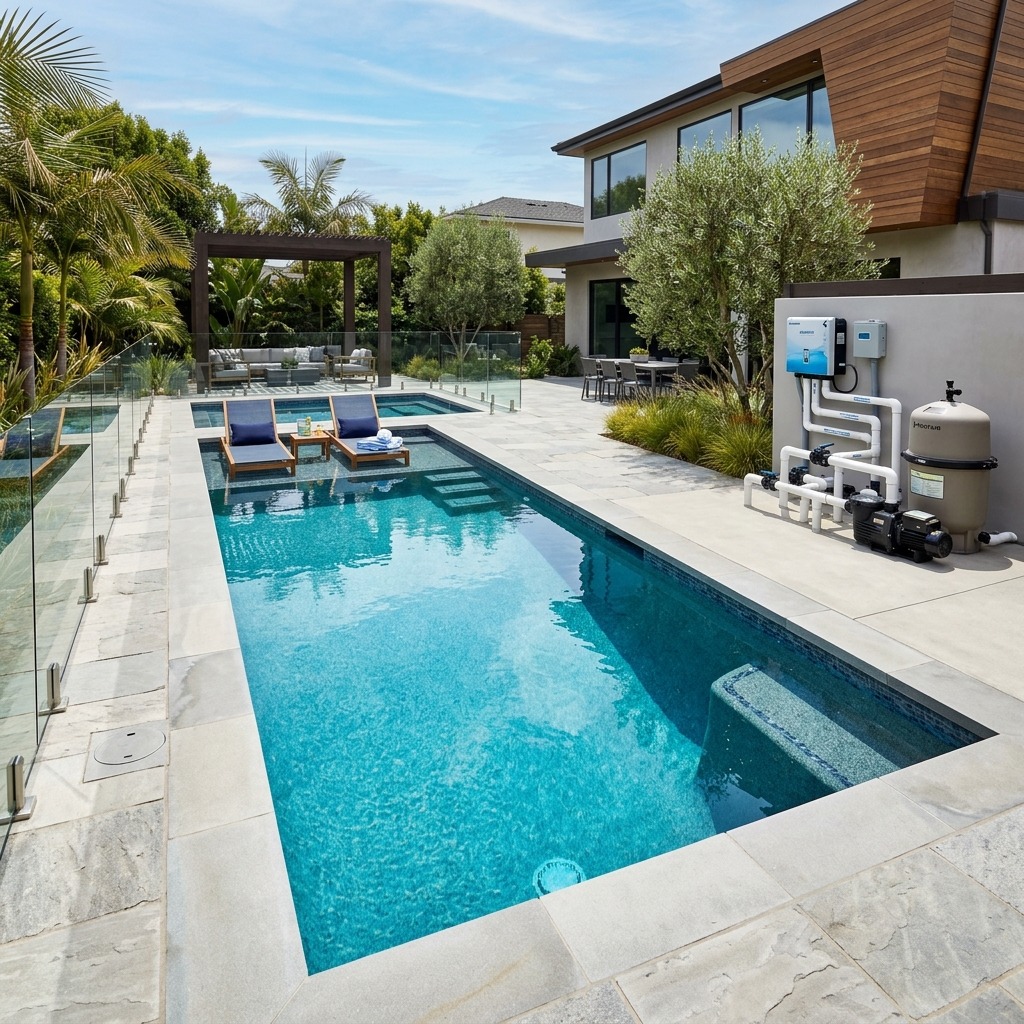
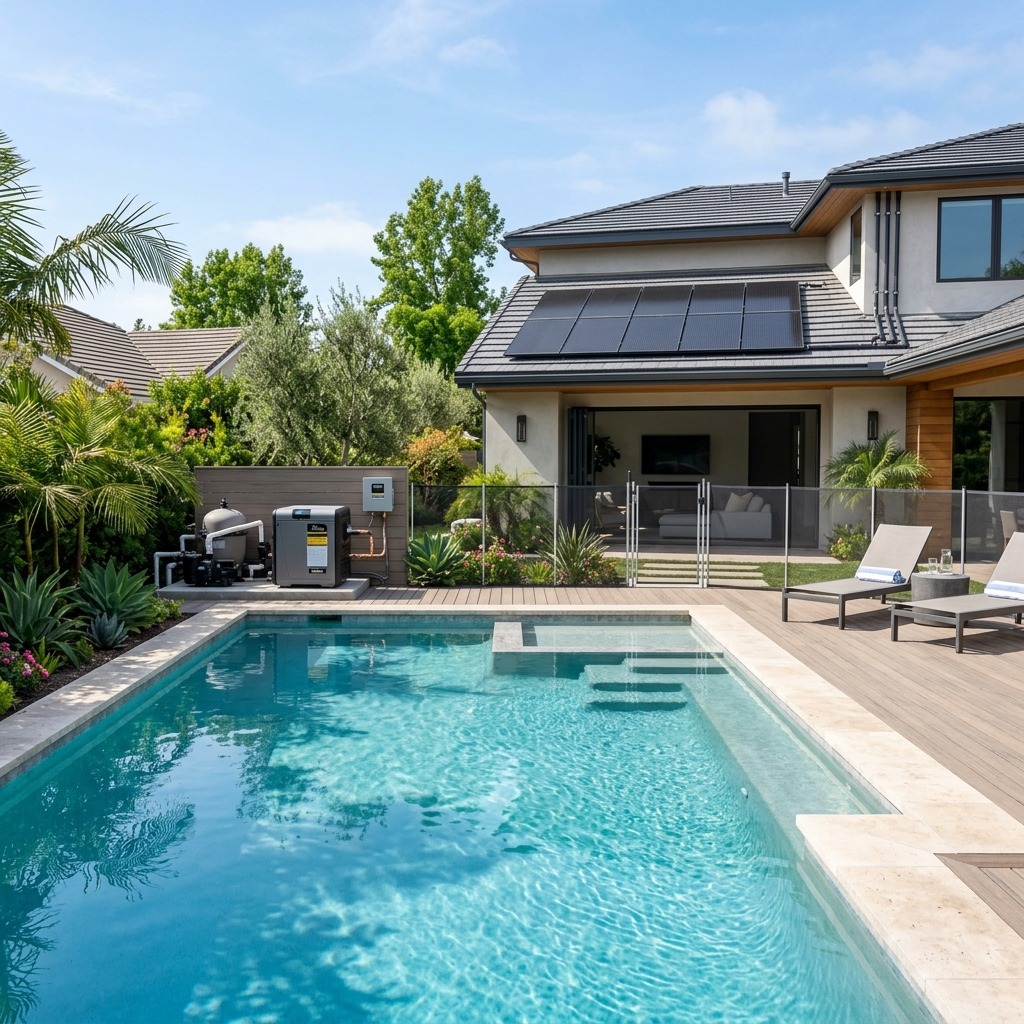
Plumbing, filtration, and equipment installation adds $5,000 to $12,000 to your budget. This cost covers the pipes, pump, filter, and all electrical connections that keep the water clean and safe.
Installers run Schedule 40 rigid PVC pipes between the pool shell and the equipment pad outside. Before the system is filled with water, technicians pressurize every pipe to check for leaks using a pneumatic pipe test plug, which seals the line and holds a set air pressure for several minutes. Any pressure drop reveals a leaking joint before it gets buried underground. All metal components in and around the pool, including the pump motor, ladder, and light fixtures, must be electrically bonded together per NEC Section 680.26 electrical bonding requirements. This bonding grid prevents any stray electrical current from building up in the water, which protects swimmers from serious injury.
How Much Does the Concrete Patio and Coping Cost?
A basic concrete patio and coping installation costs between $5,000 and $15,000. Larger or more decorative patio designs with stamped patterns or premium pavers can push that number higher.
The concrete mix used for pool decks is typically not the same standard mix used for driveways. Contractors use polypropylene fiber reinforced concrete for pool patios because the fibers spread across the slab and dramatically reduce cracking caused by thermal expansion. Before any concrete is poured, workers test the moisture level of the compacted base material using a surface moisture impedance meter to confirm the subgrade is dry and stable. Too much moisture in the base causes the slab to heave and crack within a season. All concrete patio work adjacent to a pool must meet the standards laid out in the ACI 302.1R concrete deck guide, which defines the flatness tolerances, drainage slopes, and finishing requirements for safe concrete surfaces next to water.
What Are the Long-Term Maintenance Costs of a Fiberglass Pool?
Plan to spend between $1,200 and $2,500 per year on routine fiberglass pool maintenance. This is significantly less than the $2,000 to $4,000 per year that a concrete pool typically requires.
The smooth gelcoat surface of a fiberglass pool resists algae far better than porous concrete. However, you still need to manage your water chemistry carefully every week. In areas with hard water, mineral staining can build up on the waterline. Owners treat this with a sequestering chemical agent, which bonds to dissolved minerals and keeps them suspended in the water so the filter can remove them. You can measure your salt and mineral levels precisely using a digital salinity pen tester, which gives you an instant reading in parts per million. All pool chemical products used in residential pools must comply with the EPA Federal Insecticide, Fungicide, and Rodenticide Act (FIFRA) chemical safety standards, which regulate how these products are labeled, stored, and applied. Using FIFRA-compliant chemicals keeps your water safe for swimmers and protects you from liability.
While shell shipping and crane access add upfront costs, fiberglass pools save money long-term on chemical maintenance. Homeowners planning an installation can use our fiberglass pool cost calculator to compare different shell shapes and sizes.