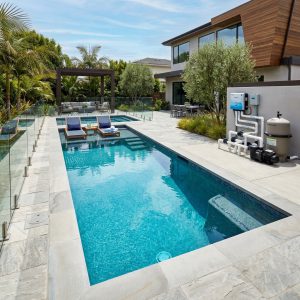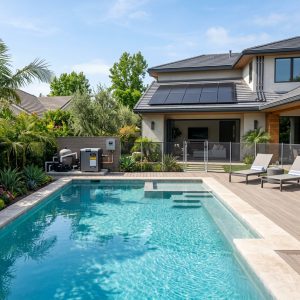
Key Takeaways
- National inground pool installation costs range from $38,000 in lower-cost Sun Belt markets to $185,000+ in high-regulation, high-labor northeastern and western states.
- Soil geology is the single largest regional cost driver — caliche rock (Southwest), coral limestone (Florida Keys), expansive clay (Midwest), and hardpan (California) each create unique excavation surcharges.
- State-specific building codes — California Title 24, Florida FBC wind-load anchoring, and Northeast frost-line depth mandates — add mandatory equipment upgrades invisible in base quotes.
- Labor market maturity dramatically impacts price: Florida and Texas have dense, competitive pool builder markets that keep prices lower than New York or Illinois, where pool construction is seasonal and crews are scarcer.
- The “cheapest” pool state is not always the best value — climate season length, energy costs, and resurfacing intervals determine true 10-year return on investment.
1. Why Inground Pool Costs Vary So Dramatically by State
A 15×30-foot fiberglass pool installed in a Phoenix, Arizona backyard and an identical shell installed in a Syracuse, New York backyard can differ by $30,000 to $60,000 in total project cost — despite being the same pool product. This is not contractor price gouging. It is the compounded effect of five regional cost variables operating simultaneously:
1. Soil geology and bedrock type — the material your excavation crew must remove.
2. Groundwater table depth — whether dewatering pumps are needed.
3. State and local building code requirements — mandatory equipment specifications.
4. Regional labor market — how many certified pool builders are competing for work.
5. Climate exposure category — wind-load anchoring, frost-line depth foundations, or seismic engineering requirements.
Each of these variables is measurable and location-specific. Before accepting any contractor quote, understanding which of these five forces applies most strongly to your site allows you to anticipate surcharges before they appear on a change order.
To monitor underground moisture conditions during the pre-construction soil evaluation phase, geotechnical crews deploy a time-domain reflectometer (TDR) — an instrument that sends electromagnetic pulses through soil probes and measures the dielectric permittivity of the soil to calculate volumetric water content. High-moisture readings near the proposed pool footprint indicate a perched water table, which can create hydrostatic uplift risk during and after construction. This testing is performed under protocols established by ASTM D6565 (Standard Test Method for Determination of Water (Moisture) Content of Soil by the Time-Domain Reflectometry Method), and the results are submitted with permit applications in jurisdictions that require geotechnical reports for below-grade structures.
2. The National Inground Pool Cost Range by Material Type
Before breaking down state-specific costs, it is helpful to establish the national baseline cost ranges across the three primary pool construction materials:
| Pool Material | National Average Low | National Average High | Typical Installation Time |
| Vinyl Liner | $35,000 | $65,000 | 3–6 weeks |
| Fiberglass | $45,000 | $95,000 | 2–4 weeks |
| Concrete (Gunite) | $55,000 | $150,000+ | 3–6 months |
These ranges represent standard installations in average soil conditions with no extraordinary site access challenges. They do not account for decking, landscaping, heating systems, fencing, or permit fees — all of which add 20–40% to the above figures in most markets.
3. State-by-State Inground Pool Cost Comparison (2026 Data)
The following table reflects contractor-reported average total project costs (including basic equipment, standard excavation, and minimal deck) for a standard 15×30-foot inground pool in each state:
| State | Avg. Pool Cost Range | Primary Cost Driver |
| California | $65,000 – $140,000 | Title 24 equipment mandates, seismic engineering, high labor |
| Florida | $38,000 – $101,000 | Competitive market, but coral rock and FBC wind anchoring |
| Texas | $45,000 – $110,000 | Expansive clay (bentonite) soil surcharges, competitive market |
| Arizona | $48,000 – $105,000 | Caliche rock excavation, hot climate equipment ratings |
| New York | $55,000 – $125,000 | Frost-line foundations, seasonal labor scarcity, NYC permits |
| Illinois | $72,000 – $185,000 | Deep frost lines, short season, high union labor rates |
| Pennsylvania | $45,000 – $128,000 | Mixed geology, moderate climate, variable permit fees |
| Georgia | $57,000 – $99,000 | Clay soil, moderate regulation, growing market |
| North Carolina | $62,000 – $89,000 | Red clay soil, competitive market, mild climate |
| Ohio | $59,000 – $93,000 | Glacial clay, cold winters, moderate permit complexity |
4. Florida: Coral Rock, Wind Load Anchoring, and the Most Competitive Market
Florida has the highest concentration of inground pool builders of any US state, which creates a competitive pricing environment that benefits consumers. However, Florida’s geology and hurricane wind-load requirements introduce two cost surprises that catch buyers off guard.
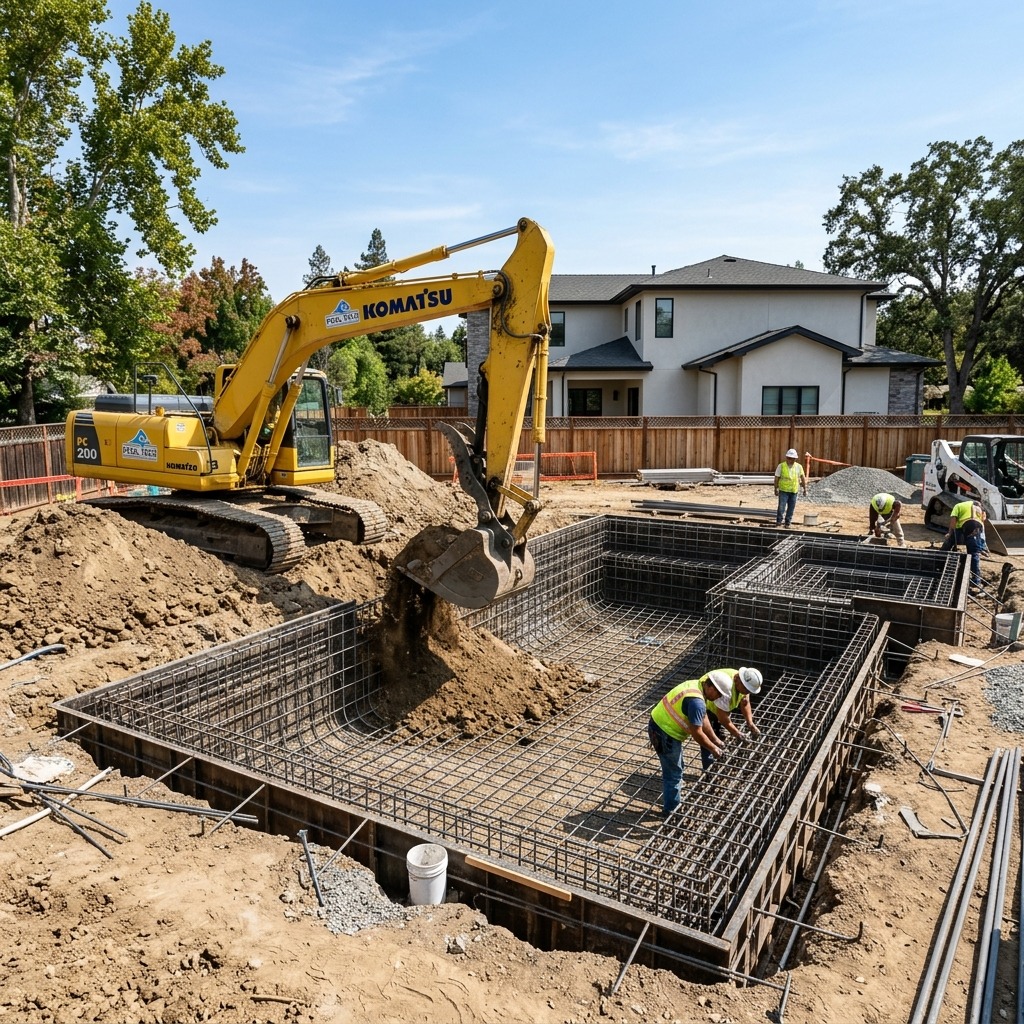
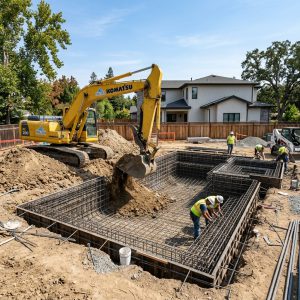
Coral limestone and shell rock underlie large portions of South Florida and the Florida Keys. Unlike standard clay or topsoil, coral rock requires diamond-blade saw cutting and hydraulic rock splitting rather than standard backhoe excavation. This adds $3,000–$12,000 to excavation costs depending on the depth and hardness of the coral layer encountered.
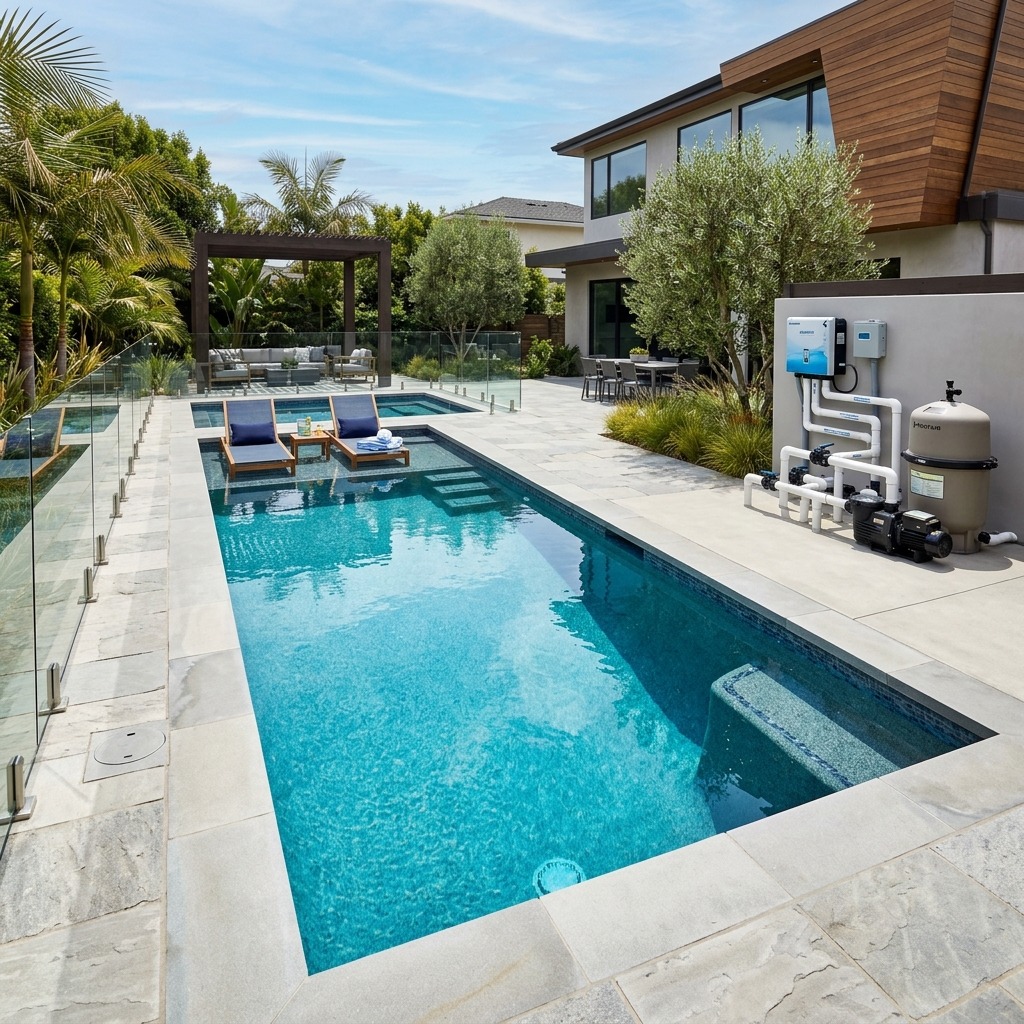
Wind-load equipment anchoring under the Florida Building Code (FBC) Section 454 (Swimming Pools and Bathing Places) requires that all pool equipment — pumps, heaters, filter tanks, and automation panels — be anchored to resist design wind speeds of 115–170 mph depending on the county’s wind exposure category. Equipment pads must be constructed from reinforced concrete meeting minimum compressive strength requirements, with anchoring bolts torqued to specification and documented by the contractor.
To verify anchor bolt torque compliance after installation, inspectors use a vibrograph vibration monitor in conjunction with torque wrench verification. The vibrograph detects micro-vibrations in the anchor assembly that indicate loose or improperly engaged fasteners invisible to visual inspection. This verification is required under FBC Section 1615 (Wind Loads) before the equipment rough-in inspection will pass.
5. Texas and Arizona: The Caliche and Clay Challenge
Texas and Arizona offer competitive pool pricing due to year-round building seasons and large contractor workforces. However, both states have geology that creates consistent excavation surcharges.
Caliche is a calcium carbonate mineral layer that forms in arid and semi-arid climates across Texas, Arizona, New Mexico, and Nevada. It appears as a white or pale tan hardpan layer anywhere from six inches to several feet below the topsoil. Caliche has a compressive strength comparable to low-grade concrete — standard backhoe buckets cannot penetrate it without significant machine wear. Pool excavators in caliche zones must switch to rock-cutting attachments, hydraulic hammers, or controlled blasting to remove it.
Caliche surcharges typically range from $2,500 to $9,000 depending on layer thickness and depth. Contractors who do not disclose this risk in their base quotes justify the omission by claiming they cannot know what is underground until excavation begins — which is technically true but avoidable with a pre-construction soil boring.
Expansive clay (bentonite) dominates the Dallas-Fort Worth basin, Houston clay belt, and East Texas regions. This soil swells dramatically when wet and contracts when dry, creating lateral pressure cycles that can cause fiberglass shell deformation or concrete shell cracking over time. Pool contractors in these areas must use compacted crushed granite or pea gravel as the backfill material surrounding the shell — never the native clay — which adds $1,500–$4,000 in material costs.
Construction vibration from compaction equipment in clay-heavy sites is monitored using a sound level decibel meter in combination with the vibrograph sensor to ensure compaction equipment does not exceed vibration thresholds that could disturb the newly placed pool shell before the backfill has stabilized. OSHA 29 CFR 1926.602 (Material Handling Equipment) limits acceptable vibration exposure during compaction operations near newly constructed structures.
6. The Northeast: Frost-Line Depth, Short Seasons, and High Labor
New York, Illinois, Pennsylvania, and Ohio represent the most expensive region for inground pool construction in the United States due to three compounding cost factors:
Frost-line depth foundations: In states where the ground freezes below 36 inches, pool equipment pads and plumbing connections must be buried or insulated below the frost line to prevent freeze-thaw cracking. In Chicago (frost line: 42 inches), Albany, NY (frost line: 48 inches), or Buffalo, NY (frost line: 52 inches), equipment vault construction adds $3,000–$7,000 in additional concrete forming and insulation work.
Short construction season: Pool builders in northern states can realistically work from late March through mid-November. This compressed schedule creates a summer bidding war for contractors, driving labor rates higher and extending lead times. A pool project that would take two months in Florida may take four months in Ohio simply due to contractor scheduling constraints.
High union labor rates: In New York City and Chicago specifically, pool construction labor is subject to union prevailing wage agreements that set minimum hourly rates for skilled trades workers. Electrician labor alone can run $120–$180 per hour in New York City versus $65–$95 per hour in Texas or Florida.
To monitor soil moisture content in the backfill surrounding pool shells in high-water-table northeastern sites, construction crews use a digital soil moisture sensor — a probe-based instrument that measures percent volumetric water content in real time at multiple depths around the shell perimeter. Backfill moisture exceeding 25% indicates inadequate drainage that could create hydrostatic uplift during spring thaw. Monitoring protocols are defined under ASTM D3152 (Standard Test Method for Capillary-Moisture Relationships for Fine-Textured Soils).
7. California: Title 24 Mandates and Seismic Engineering
California consistently ranks as one of the most expensive states for pool construction, driven by three state-specific regulatory requirements that are invisible in contractor base quotes:
California Title 24 Energy Standards — Variable-Speed Pump Mandate: California’s Energy Commission prohibits single-speed pool pumps in new installations. All pool pump motors must be variable-speed (VS) or variable-flow (VF) models that can operate at reduced speeds during off-peak filtration cycles. While variable-speed pumps save $400–$700 per year in electricity, the units cost $800–$1,500 more than single-speed pumps — and Title 24 compliance verification adds an inspection step to every new pool permit.
Seismic Zone Engineering: California’s classification as a Seismic Design Category D or E zone (depending on county) requires pool shells to be engineered with rebar configurations that resist lateral seismic loads. Structural engineering stamped plans — required before any concrete pool permit is issued — add $1,200–$3,000 to the project cost and three to six weeks to the permit approval timeline.
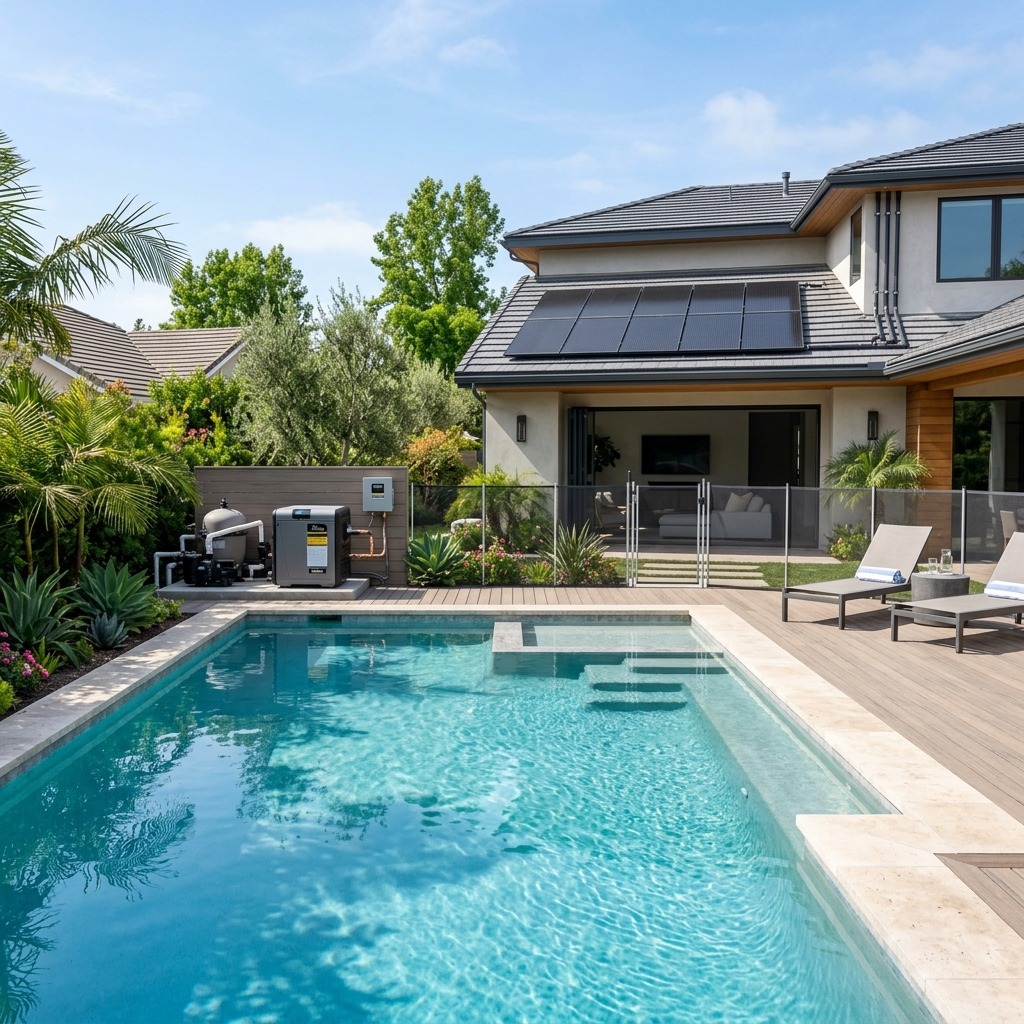
Solar Heating Pre-Plumbing Requirements: Several California jurisdictions require that new pool plumbing be pre-configured with stub-out connections for future solar heating panel integration, even if solar panels are not installed at the time of construction. This future-proofing requirement adds plumbing materials and labor costs of $500–$1,200.
To verify the thermal insulation integrity of pre-plumbed solar stub-out connections and equipment vault walls in California installations, inspectors use a concrete moisture tramex meter — a non-destructive surface scanning instrument that detects elevated moisture within concrete structures by measuring electrical impedance. Moisture infiltration in equipment vaults can accelerate corrosion of copper plumbing and electrical conduit, and is addressed under California Building Code Section 4.303.1 (Plumbing Systems Efficiency Standards).
8. Regional Climate and Energy Cost Impact on Pool Operating Expenses
Beyond construction costs, your state’s climate determines how many months per year you can use your pool without heating — and how much you will spend on heating during the shoulder seasons.
| Climate Region | Avg. Swim Season (Unheated) | Estimated Annual Heating Cost (Heat Pump) |
| Florida / Hawaii | 10–12 months | $200–$600 |
| Texas / Arizona / California | 8–10 months | $400–$900 |
| Georgia / North Carolina | 6–8 months | $600–$1,200 |
| Pennsylvania / Ohio | 4–6 months | $900–$1,800 |
| New York / Illinois | 3–5 months | $1,200–$2,400 |
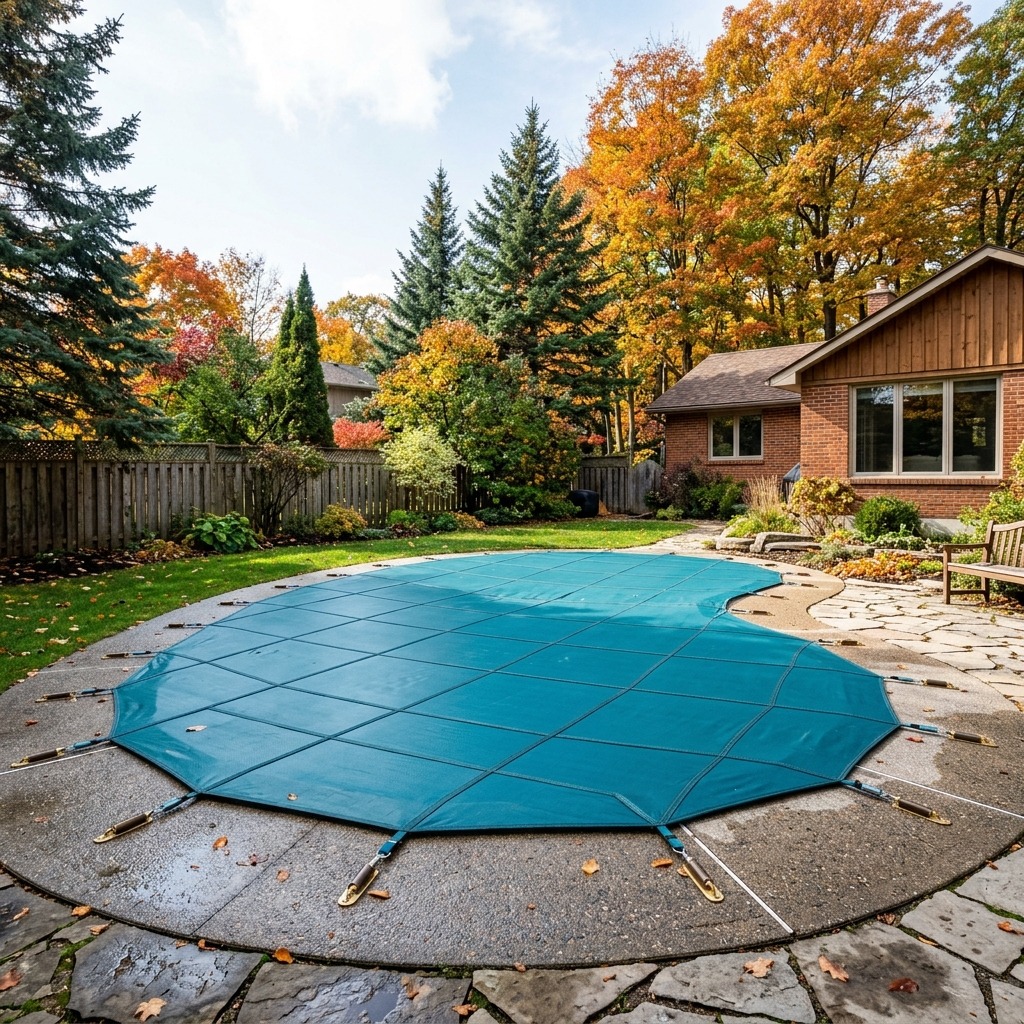
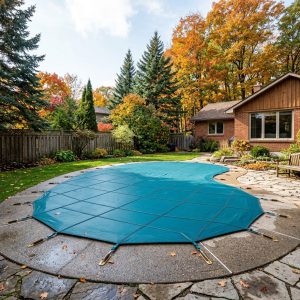
Pools in northern states must also be winterized annually — a process involving blowing out all plumbing lines with compressed air, adding antifreeze to the system, and installing a solid safety cover. Annual winterization service costs $250–$500 and is not necessary in states with frost-free winters.
To identify heat loss pathways in pool shells and equipment vaults during commissioning inspections, service technicians use an infrared thermal imaging camera to map surface temperature differentials across the pool shell exterior and equipment enclosures. Cold spots on the pool shell exterior indicate inadequate insulation or moisture intrusion, while hot spots on equipment enclosures signal undersized ventilation. Thermal imaging inspections are conducted per ASTM E1933 (Standard Practice for Measuring and Compensating for Emissivity Using Infrared Imaging Radiometers).
9. Case Study: California vs. Florida — The Same Pool, Two Very Different Prices
To illustrate how these regional variables stack up in a real-world scenario, consider an identical 16×32-foot fiberglass pool project in two different states:
| Line Item | California (San Jose) | Florida (Tampa) |
| Shell + Basic Installation | $72,000 | $52,000 |
| Seismic Engineering Plans | $2,500 | $0 |
| Title 24 VS Pump Upgrade | $1,100 | $0 |
| FBC Wind Anchoring | $0 | $1,800 |
| Permit Fees | $3,200 | $1,200 |
| Electrician (200A Panel) | $4,500 | $3,200 |
| Landscaping Restoration | $4,000 | $3,000 |
| Total Project Cost | $87,300 | $61,200 |
The California pool costs $26,100 more for the same shell — a 43% price premium driven entirely by regulatory compliance, labor rates, and permit structures.
While regional construction costs vary widely, the material type you choose — fiberglass, vinyl liner, or concrete — creates a second layer of cost variation on top of state-specific factors. Understanding how vinyl liner and fiberglass pools compare in long-term durability and liner replacement cycles helps buyers determine whether to pay a higher upfront price for a lower-maintenance shell. A detailed [vinyl liner vs fiberglass pool comparison](blog-vinyl-vs-fiberglass.txt) breaks down the liner replacement math, pet damage risks, and structural warranty differences that should factor into your material selection before you sign any construction contract.
10. How to Get the Most Accurate Regional Quote
Before signing with any contractor, use these steps to isolate regional cost variables in your specific quote:
1. Request an itemized bid — not a lump-sum quote. Ask for separate line items for excavation, shell, equipment, electrical, plumbing, decking, permit fees, and contingency.
2. Order a soil boring report from a local geotechnical firm ($500–$1,200). This eliminates the “we didn’t know” excuse for rock or clay surcharges.
3. Verify your state’s mandatory equipment specifications (variable-speed pumps, GFCI requirements, frost-line foundations) before comparing quotes — a low quote that omits required equipment is not a bargain.
4. Request two to three competing bids from licensed, insured contractors with verifiable local project histories.
5. Add a 15–20% contingency to your accepted bid to cover site-specific surprises uncovered during excavation.
Commissioning inspectors performing final sign-off before pool filling conduct ambient air condition checks around the equipment pad using a digital psychrometer — an instrument that measures both dry-bulb and wet-bulb temperature simultaneously to calculate relative humidity and dew point. High ambient humidity during the curing period of concrete footings or equipment pad pours can accelerate surface carbonation and reduce compressive strength development, a concern addressed under ACI 305R (Guide to Hot Weather Concreting) and ACI 306R (Guide to Cold Weather Concreting), which define acceptable curing environment parameters for outdoor concrete pours.
Regional labor rates shift your total project cost more than most buyers expect, so national averages rarely match what a contractor will quote you locally. Before you start calling builders, run your pool size and zip code through our gunite pool cost calculator to get a baseline that reflects your market.
If you are leaning toward fiberglass to keep long-term costs down, use our fiberglass pool cost calculator to see how the shell price compares in your state before you commit to any material.